 AI WORLD HQ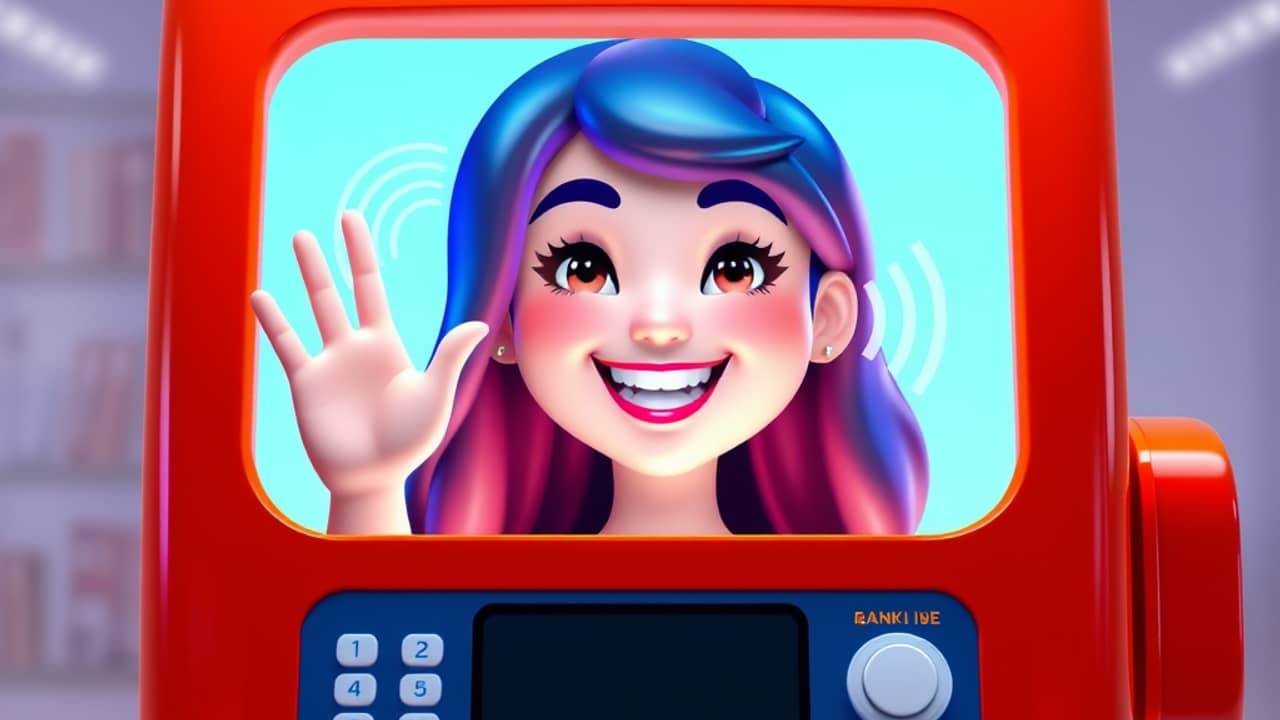
You called your bank last week. A friendly woman on the screen asked how she could help. She listened, nodded, and answered your question about a missing transfer. She had a face, a smile, a voice — and she was not a person. She was an AI digital human.
This is one of the quieter corners of the AI world that's moving fast. Here's what these avatars actually are, how they're built, and where you're likely to meet one next.
What "AI digital human" actually means
An AI digital human is a face on a screen that can hold a conversation. Behind that face sit three pieces of technology working together:
- A conversational AI — a chatbot-style system that understands what you say and decides how to respond
- A voice synthesizer — software that turns the response into spoken words, sometimes a clone of a real person's voice
- A video renderer — the part that animates a face to match the words, including lip movements, blinks, and small head tilts
When you talk to one, those three pieces work in sequence. Your voice or typed question goes in, the conversational AI figures out an answer, the voice synthesizer speaks it, and the rendered face moves in time with the words. The whole loop usually happens in a second or two — fast enough that it feels like a real chat.
The face itself can be a photorealistic (meaning "looks photo-real") clone of a real person, recorded in a studio and rebuilt digitally, or a fully synthetic character drawn from scratch.
Where you're likely to meet one
A few everyday examples:
- Customer service portals — some banks, airlines, and phone companies now greet you with a video avatar instead of a plain text chat box
- Training and onboarding — companies use avatars to walk new hires through policies, since a face feels more engaging than a wall of text
- Online courses and tutorials — creators generate a digital version of themselves to teach in multiple languages without re-recording every lesson
- Healthcare intake — patients describe symptoms to an avatar before seeing a human doctor, which saves the doctor's time for the actual appointment
Notice what's missing from most of these: the person on the other end often doesn't realize they've been talking to software. The conversation felt normal. That is the point — and also the thing worth paying attention to.
Wrap-up
AI digital humans are not science fiction anymore — they're the new front desk, the new tutor, and the new sales rep. The technology is moving quickly, and the avatars you meet next year will look and sound more natural than the ones today. The useful skill isn't memorizing what they're called. It's learning when to keep the conversation going and when to politely ask for a human. Try that next time a friendly face appears on your screen.