 AI WORLD HQ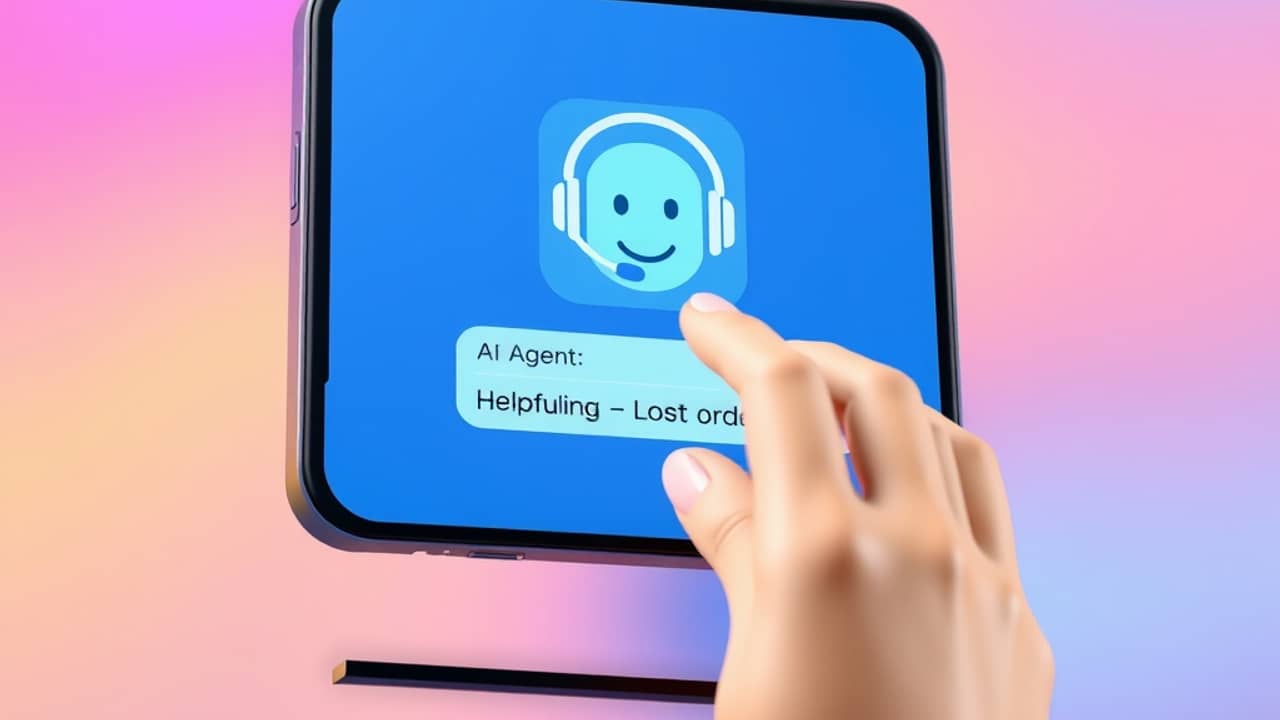
You message a company at 11pm about a lost order. Within seconds, a friendly voice replies, finds your order, and offers a refund. No waiting on hold, no "press 3 for…" menus. A year ago this felt futuristic. Today it's becoming normal — and AI is the reason.
What exactly is an "AI agent"?
An AI agent is a step beyond a regular chatbot. A normal chatbot follows a script — if you say "refund", it sends you the refund page. An AI agent can actually do things: pull up your account, check your order status, file the request, and confirm it was done.
Think of it like this:
- A chatbot is a vending machine. You press B4, you get a B4.
- An AI agent is a shop assistant. You say "I never got my package", and they check the back room, find it, and book you a new delivery.
The technical term you'll hear is "agentic AI" — AI that takes actions, not just gives answers. The model behind it is usually a large language model (the same kind of engine that powers ChatGPT), but connected to the company's customer database and given a clear list of what it's allowed to do.
Where you'll actually meet them
You may have already talked to one without realizing:
- Online stores checking order status or returns
- Airlines rebooking canceled flights
- Banks flagging unusual transactions
- Phone companies handling plan changes
- Concert and event venues answering "where's my ticket?" at midnight
Salesforce's Agentforce is one of the better-known platforms building these. Event companies and other large organizations have recently announced rollouts so customers can get help at any hour — even while walking up to a venue with a phone in hand. Other major companies are doing similar things.
Why companies are rushing to use them
Two reasons, mostly:
- Customers want answers now. Research consistently shows people expect a reply within an hour, at any hour of the day. Humans can't deliver that without burning out.
- The AI is finally good enough. Older chatbots were infuriating. Modern AI agents understand messy, real-world questions like "I never got the thing I paid for last Tuesday, what now?" — and they handle them well enough that most customers don't even ask for a human.
Wrap-up
AI customer service agents aren't science fiction anymore — they're the new front desk, the new call center, the new "press 3." You'll bump into them more and more. Knowing what's behind them helps you use them well: be specific in what you ask, and don't be shy about requesting a human if the AI can't solve your problem.