 AI WORLD HQ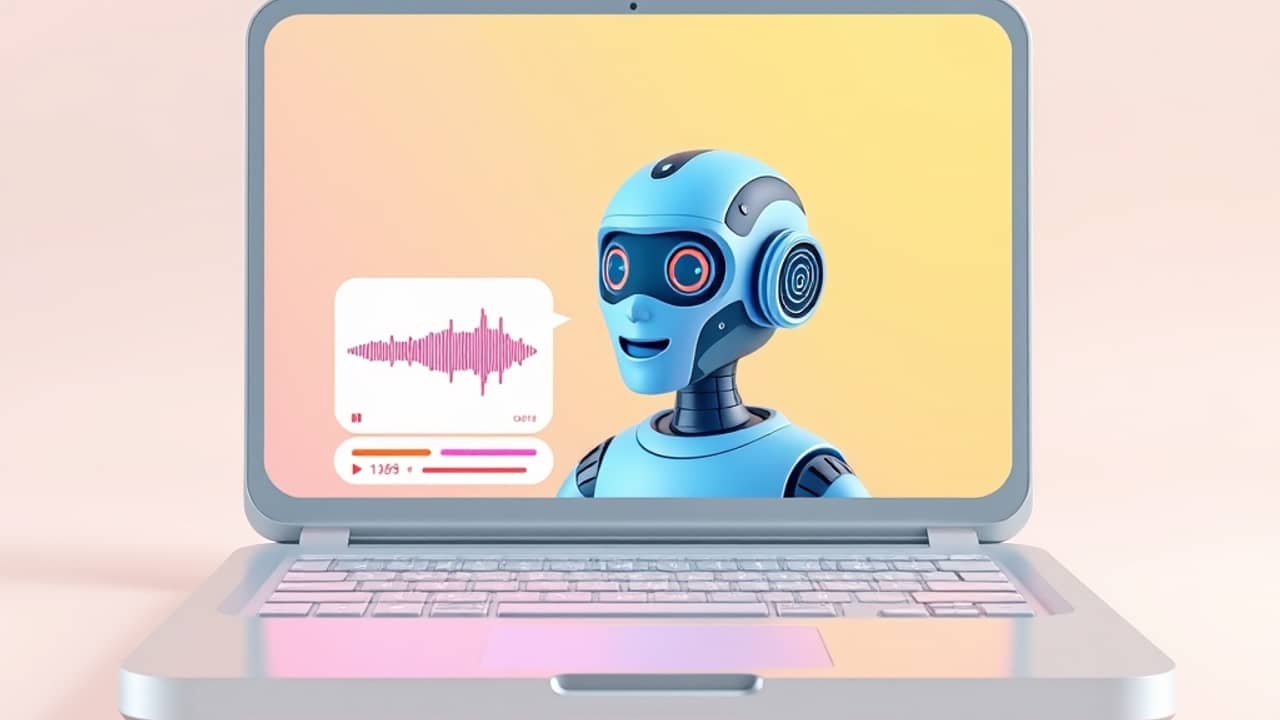
If you've ever wanted to make a video explaining something but didn't want to get in front of a camera — or wanted a clip in a language you don't speak — two of D-ID's recent announcements sketch where these tools stand today. And together, they point to the same shift: the technology works, but the interesting questions have moved elsewhere.
What an "AI video agent" actually does
Most AI video tools today work like a single-purpose helper: you give it a script, it renders (produces) one clip. D-ID describes its AI video agent differently. According to the company, the agent runs the whole production chain from a single input — script to visuals to editing, with you setting the rules once at the start.
Think of it like the difference between asking one assistant to "make me a salad" versus handing a head chef your dietary rules, your preferred ingredients, and a list of approved recipes, then walking away. The agent still works from instructions you set in advance: brand rules, approved source material, and guardrails (limits you define so the agent stays inside your standards).
The catch? You have to think through those rules before you start. D-ID says you can get started for free, but a useful agent needs clear inputs about what it should and shouldn't do.
Voice cloning has gotten good — and that's the new problem
A few years ago, AI voice cloning was mainly a quality problem: voices sounded robotic, obviously fake, or just wrong. That, according to D-ID, is no longer the main issue. A short audio sample — even a minute or two of someone speaking — can now produce a copy convincing enough to fool most listeners.
So the conversation has moved, the company says, from "does it work?" to three harder questions:
- Permission: Did the person whose voice is being cloned actually agree to it?
- Control: Once a voice clone exists, who decides what it says?
- Proof: How do you tell a real voice from a clone — and how do you prove a clip is or isn't AI-generated?
D-ID points to watermarks (invisible markers baked into the audio or video that flag it as AI-made) and consent tools as part of the answer. But the announcements make clear these are now the main battles — not whether the tech can produce a believable voice.
Wrap-up
D-ID's two announcements together tell a simple story: AI video and voice tools have crossed the quality line, and the interesting work is now about how you set them up and how you protect the people they touch. If you want to try one, start with a small project and think hard about the rules you give it before you hit go.