 AI WORLD HQ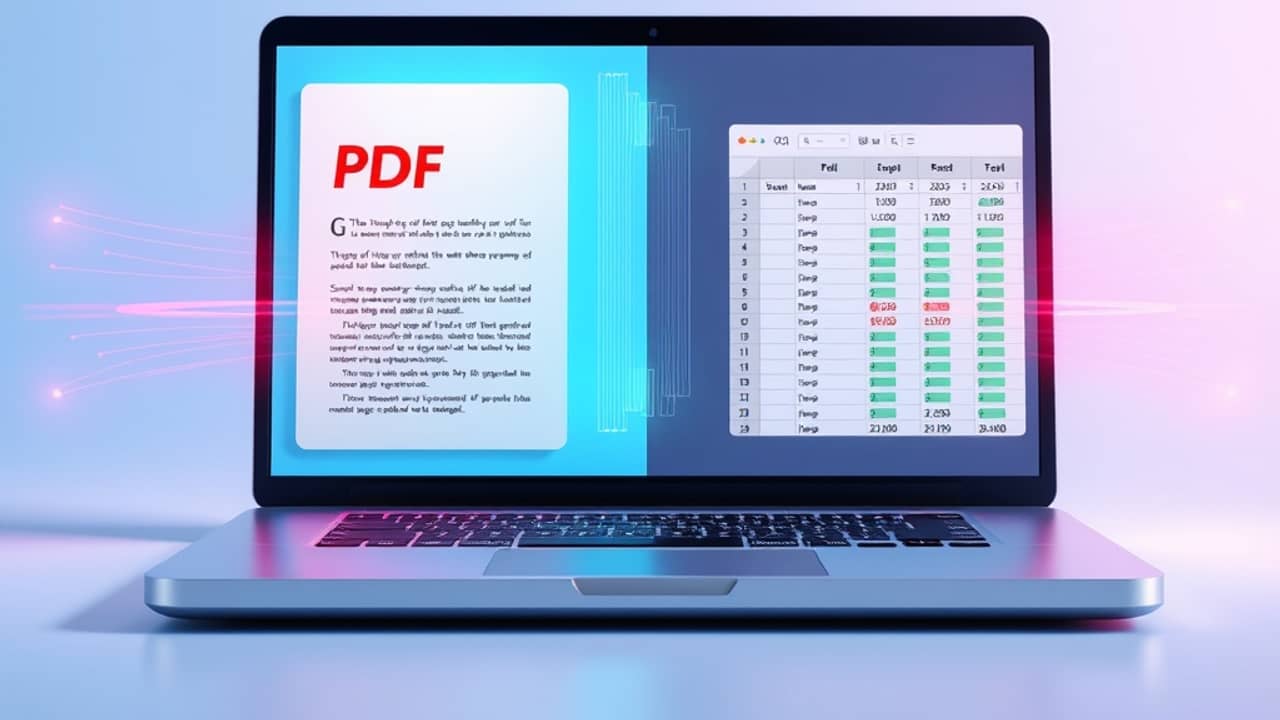
You probably have a folder full of PDFs, CSVs, and reports that you keep meaning to dig into. Maybe it's last quarter's sales numbers, a contract you need to summarize, or a 90-page industry study. A new generation of AI agents (think of them as smart assistants that can take actions, not just chat) is built to do exactly that kind of work — and you don't need to write a single line of code.
What's actually new
For a few years, AI has been able to read text you paste into a chat box. That's useful, but it stops working the moment your document is longer than a few pages, or lives inside a spreadsheet instead of a paragraph.
The new wave of "file reasoning" agents can go much further. You upload (or point them at) a real file — a PDF, a CSV (a comma-separated text file Excel can open), a database table — and the agent doesn't just skim it. It builds an internal model of what's there: the columns, the dates, the relationships between numbers. Then it answers your questions the way a careful analyst would, checking itself along the way.
Databricks calls this evolution Genie Agents — the next step beyond their earlier Genie Spaces. The point isn't just to read; it's to reason about what it's reading.
How "deep analysis" works in practice
Think of it like the difference between asking a friend "can you skim this report?" versus "can you read it carefully and tell me what matters?" The second friend asks follow-up questions, checks their understanding, and explains the trade-offs. That's what these agents aim to do.
Three things make this possible:
- Larger context windows — the AI's "working memory" can hold far more text at once, so it can reason across long documents instead of forgetting chapter one by page fifty.
- Tool use — the agent can run a calculator, query a database, or jump to a specific page when it needs to verify a number. Think of it as the AI having a small toolbox instead of just a pencil.
- Step-by-step planning — instead of answering in one shot, the agent breaks your question into steps ("first find the relevant rows, then compare them, then write the answer") and shows its reasoning.
Wrap-up
AI agents that can reason across your files are no longer a research demo — they're arriving inside real products, from enterprise platforms like Databricks Genie to the chat tools you may already use. The simplest way to start: pick one document you've been avoiding, upload it to a chat tool that supports files, and ask one question in plain English. See what comes back — and always double-check the numbers before you trust them.