 AI WORLD HQ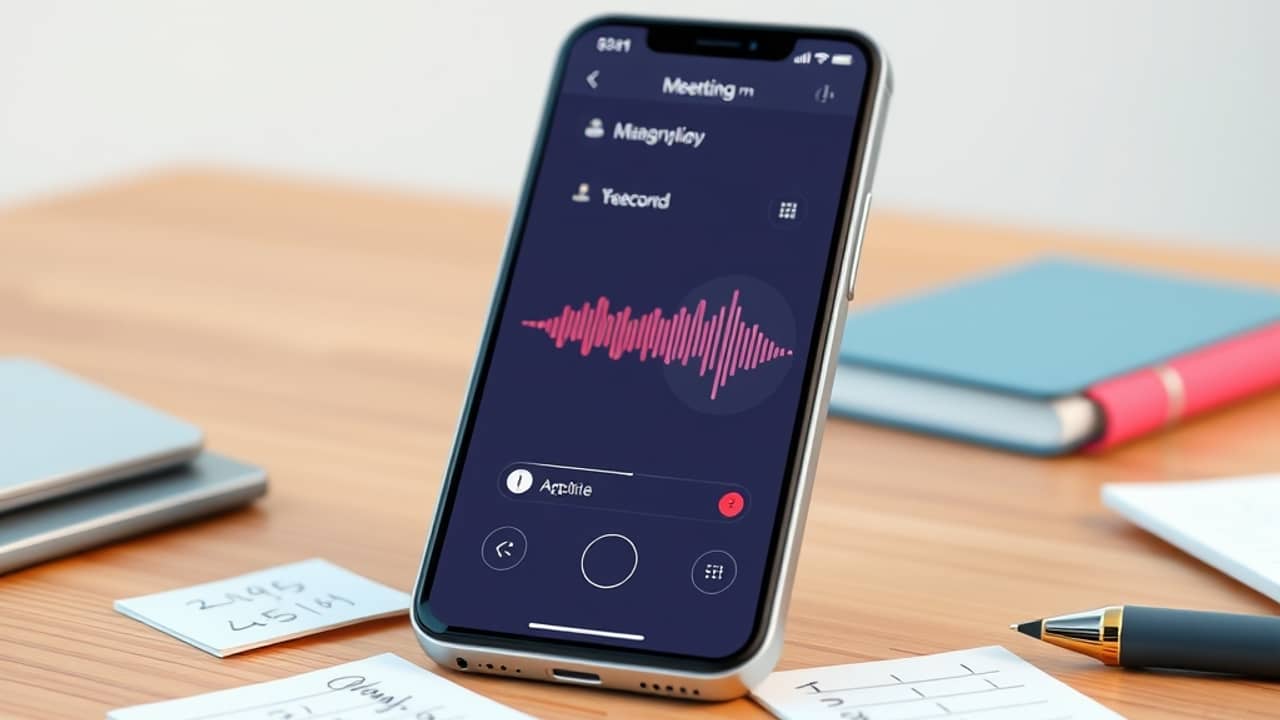
Picture a one-person news operation covering a small town. There's a recorder running through a two-hour council meeting, a stack of PDFs from a public records request, and three social posts due before lunch. Five years ago that meant choosing what to skip. Today many small newsrooms use AI to handle the boring parts faster.
Here's what's actually useful, in plain language.
Translation that opens new audiences
One of the quietest wins AI gives independent writers is multilingual translation — turning text from one language into another. For newsrooms serving immigrant communities, or freelancers wanting to publish across borders, this used to mean hiring translators or skipping international stories entirely. Now a writer can draft in one language and publish a second version the same day. It's not perfect — machine translation still misses slang, idiom, and tone — but for a first pass that a human then polishes, it removes the biggest time cost.
Transcription and meeting notes
AI-powered transcription tools turn recorded audio and video into searchable text. Think of it as a very fast typist who never gets tired. Local journalists covering council meetings, court hearings, or long interviews can upload a recording and get a full transcript in minutes, then search it for exact quotes instead of scrubbing back through audio. Many tools can also summarize the transcript into bullet points, which is useful for internal briefs.
Drafting help without losing your voice
A lot of writers worry that AI will flatten their voice. In practice, most use AI as a first-draft assistant: ask it to turn a paragraph of bullet points into a structured draft, or to suggest five different headlines for the same story. The writer still rewrites it — the tool just removes the empty-page problem. You stay in control of the words; the tool handles the boilerplate.
Research summaries and background briefs
AI is useful for the research phase too. You can paste a long document — a report, a court filing, a stack of emails — and ask the AI to pull out the key facts, dates, and people involved. This is called summarization, and it's one of the simplest, most reliable things modern AI does well. The catch: always verify the summary against the original. AI summarizers sometimes drop important details or quietly rephrase things in ways that change the meaning.
Where AI falls short in newsrooms
A few honest limits. AI is bad at original reporting — it can't call sources, show up at a scene, or build trust in a community. It also makes mistakes confidently, which is dangerous for factual work. And it doesn't replace an editor's eye for fairness, accuracy, and tone. The smart pattern is simple: AI handles volume and grunt work, humans handle judgment.
Try this today
Pick one recording you already have — a meeting, an interview, even a long voice memo. Run it through a free transcription tool. Notice how much faster you can pull quotes from it than scrubbing back through audio. That's the smallest possible win, and it scales up.