 AI WORLD HQ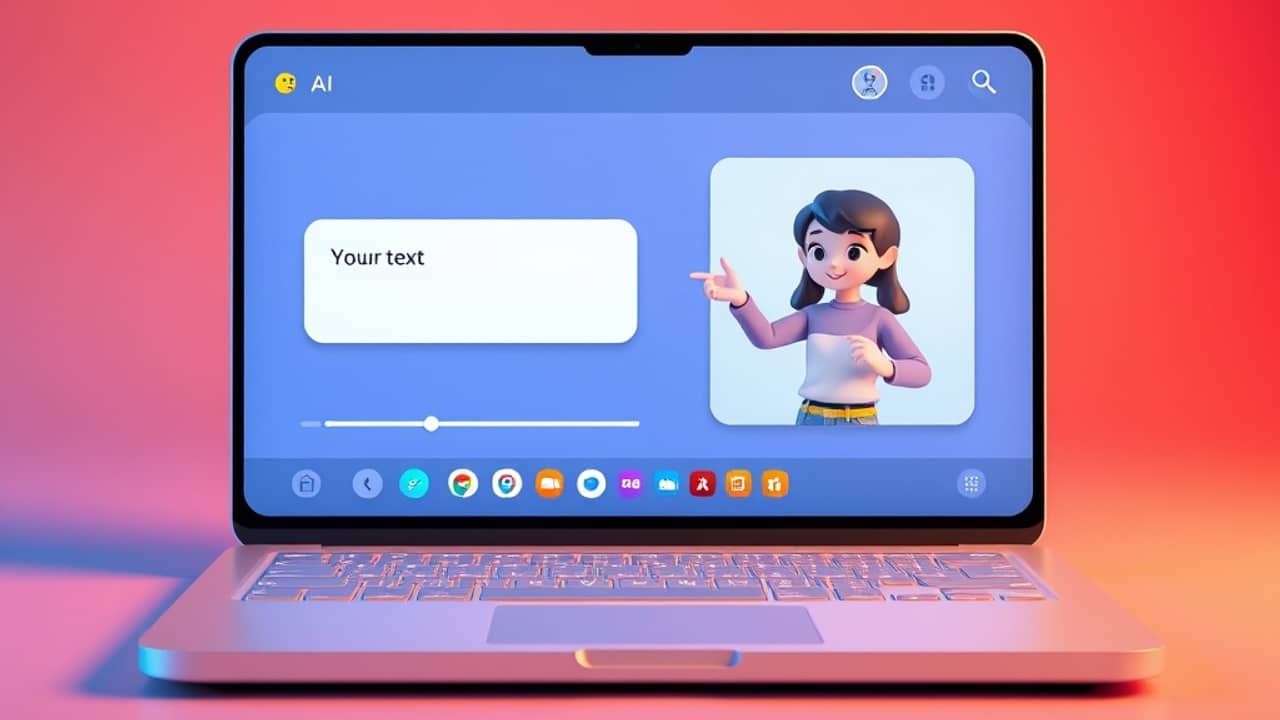
A few years ago, making a single 30-second ad for your bakery, online shop, or coaching service meant hiring a videographer, finding someone willing to be on camera, renting a space, and waiting weeks for the edit. Today, you can describe the ad in a sentence, pick a template, and walk away with something usable before lunch. That shift is worth paying attention to right now.
Why this matters if you run a small business
The bottleneck (the slow step that holds everything else back) in small business advertising was never ideas. It was production — the actual filming, editing, and redoing everything because the first version didn't land. AI video tools target that bottleneck directly.
What used to take a full day of setup now takes a few prompts. A boutique owner can test five different openings for the same product by lunch and keep the one that performs best. A real estate agent can produce a walkthrough clip without leaving the listing. A tutor can record a short promo in multiple versions for different platforms — Instagram, TikTok, YouTube Shorts — from the same starting point.
The tools in this space have gotten noticeably faster over the past year. Companies like Higgsfield AI, which focuses on avatar-led video for ads, have shipped new features on a weekly cadence. Behind that is a broader pattern: the generative models (the AI systems that create images, video, and audio on demand) powering these tools are improving almost as fast as the product teams can plug them in.
What these tools do well today
Here's the honest breakdown, based on what small business owners actually use:
- Talking-head videos from a script. You type what you want to say, choose an avatar — a computer-generated presenter, not a real person — and the tool produces a video where that avatar reads your script. Good for explainer ads, product demos, and social posts where you don't want to be on camera yourself.
- Quick product visuals. Upload a photo of your product and describe the scene. The tool generates short clips showing the product in different settings. Useful for testing which scene resonates before you commit to a real shoot.
- Ad variations at speed. Once you like a concept, the same tool can produce five, ten, or twenty variations — different openings, calls to action (the lines that tell viewers what to do next, like "Shop now" or "Sign up"), lengths — so you can A/B test (run two versions against each other and see which performs better) without doubling your budget.
Where humans still matter
AI video tools are fast, but they reward good inputs. A vague prompt gives you a vague video. A specific prompt — "a 25-year-old woman in a bright kitchen, holding a ceramic mug, smiling warmly, two seconds of intro then the product close-up" — gives you something usable.
You also still need a human to check the output before it goes live. AI tools can produce awkward hand movements, slightly off lip sync, or product details that don't quite match the real item. A quick review pass still catches things that could quietly hurt your brand.
And for trust-building ads — testimonials, founder stories, anything where a real face and voice build credibility — you'll still want real people on camera. The tools are improving here too, but a genuine human moment still beats a generated one.
Try this in your next 20 minutes
Pick one product or service you currently advertise. Write a two-sentence description of the ideal ad. Open one of the major tools in this space — Higgsfield AI for avatar-led videos, plus other tools for product-focused clips — type your description, generate one video, and watch it back. That's the whole test. You'll know within 20 minutes whether this is worth exploring further, and you'll have a real comparison point instead of an opinion.
The tools will keep improving. The question is whether you start learning them now, or later when your competitors already have a head start.