 AI WORLD HQ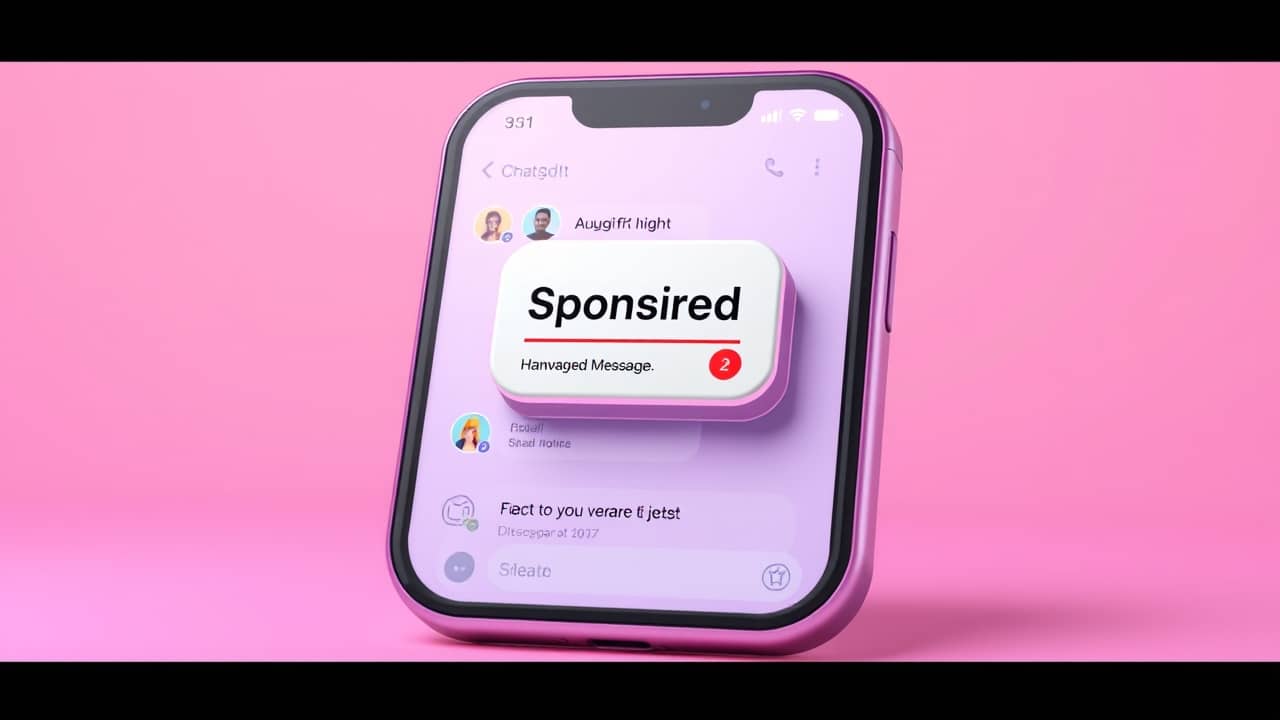
If you've been using ChatGPT for free, the experience is about to change a little. OpenAI has begun testing ads inside the free version of the app, and it's worth understanding what that means before you log in tomorrow morning.
What's actually changing
The free tier of ChatGPT has been paid for in a few ways so far: paid subscriptions, a small number of product integrations, and the hope that free users eventually upgrade. Ads are now joining that mix. In plain English, that means sponsored messages could start showing up next to or below the AI's normal replies.
The framing from OpenAI is that this is meant to keep the free version free. Running a model that answers millions of questions a day is expensive, and ads are one of the more proven ways to cover those costs online.
What the company says will stay the same
Three guarantees are being made, and they're worth holding OpenAI to.
Clear labeling. Any ad should be clearly marked as a sponsored message, not part of the AI's answer. So if ChatGPT tells you how to fix a leaky faucet, the ad underneath it shouldn't pretend to be step two of the instructions.
Answer independence. The AI's actual response to your question is supposed to be picked without looking at who's paying for an ad. In other words, asking "what's the best laptop for a college student" should give you a real answer, not a list sponsored by the brand that paid the most that morning.
Privacy. OpenAI says your conversations won't be sold to advertisers, and the ads you see shouldn't be based on the actual content of what you just typed. Think of it more like the rough targeting you get on a regular website (age range, country, broad interests) rather than message-by-message personalization some people fear.
What to watch for in practice
A few things are worth paying attention to as the test rolls out:
- The label. If a message is sponsored, it should clearly say so. If it doesn't, that's a problem worth flagging.
- The answer itself. If the AI starts regularly recommending the same brand across different questions, that's worth questioning.
- Your data settings. If you use ChatGPT for anything sensitive (medical, financial, personal), it's worth checking OpenAI's data controls and considering the paid tier, where you typically get stronger privacy guarantees.
Wrap-up
The bottom line: free ChatGPT isn't going away, but it is becoming a little more like the rest of the free internet. That means a small new habit — checking the label, thinking about what you type, and knowing when the paid tier is the better deal.
One thing to do today: open ChatGPT, look around for any new "sponsored" or "ad" label, and decide whether the free version still fits how you use it.