 AI WORLD HQ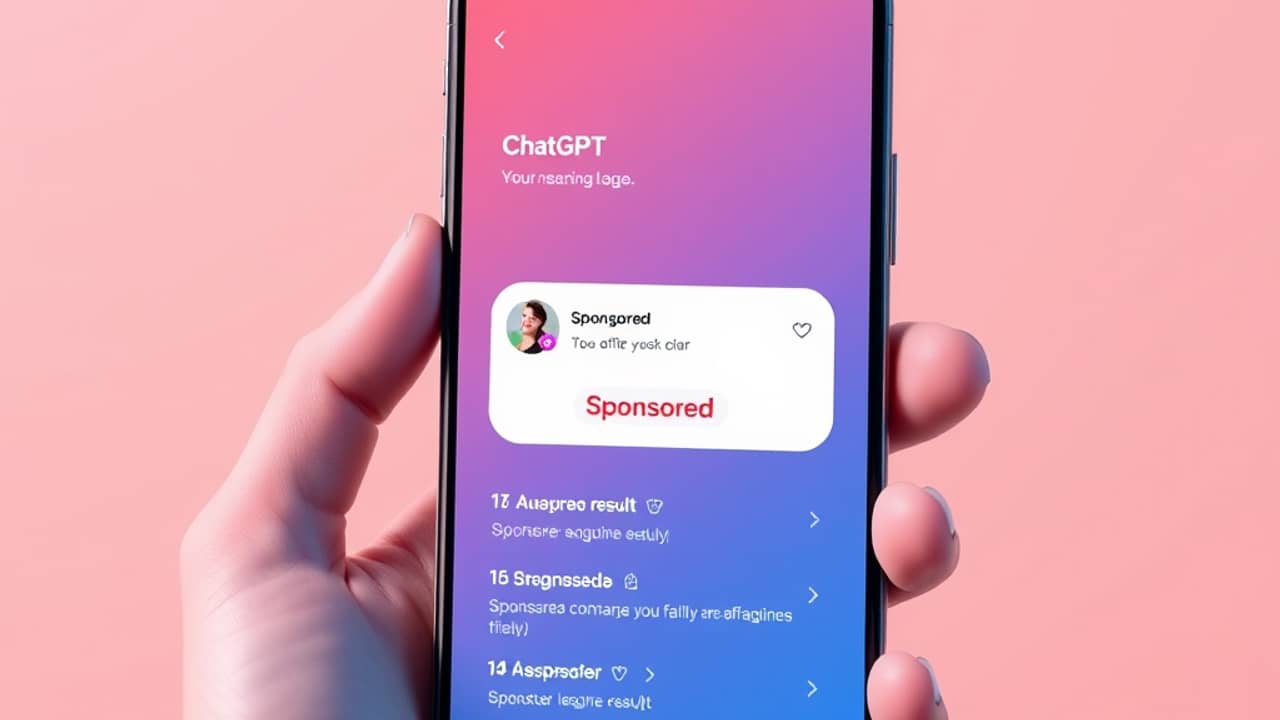
You opened ChatGPT this morning to plan a trip, debug a paragraph, or settle a dinner argument, and you got a clean, useful answer with nothing in the way. That experience is about to change a little for tens of millions of people in Europe.
What's actually happening
The free version of ChatGPT has been quietly testing ads in a small number of markets. Now that test is expanding. Free users in 31 European countries will start seeing sponsored suggestions appear in the chat.
A few things are worth knowing up front:
- The ads are clearly labeled as sponsored. They're not dressed up to look like AI answers.
- They appear next to the response, not woven into it. The actual answer to your question stays separate.
- They're based on the context of your conversation (the topic you're discussing), not a long tracking profile of you.
- Paid subscribers — anyone on ChatGPT Plus, Pro, Team, or Enterprise — won't see them at all.
So the core product is doing the same thing it always did. A small new section of the screen is being used to show paid recommendations.
Why OpenAI is doing this
Running a chatbot this smart is expensive. Every time you send a message, the AI is doing a huge amount of computation on powerful hardware in data centers. The subscription fees paid by Plus and Pro users cover part of that cost, but the free tier — used by far more people — has been a loss leader (a service offered cheaply or free to attract users, with the plan of making money from them later).
Advertising is the traditional way to close that gap. It's how search engines, social networks, and most "free" apps have worked for decades. ChatGPT is now following the same path, just inside a conversation instead of a webpage.
The privacy piece — and why Europe matters
This rollout is more sensitive in Europe than it might be elsewhere, for one big reason: GDPR (the European Union's data-protection law — among the strictest in the world, covering how companies can collect, store, and use personal information). GDPR puts firm limits on what a company can infer about you and what it can do with that information.
OpenAI has stated that the content of conversations used for ad targeting isn't used to train future AI models. Those chats are used, though, to choose which sponsored content to show you. That's the part worth paying attention to: the AI is reading the topic of your chat in order to pick relevant ads, even if it isn't building a permanent profile of you the way a social network typically does.
Wrap-up
The short version: if you use the free version of ChatGPT in Europe, your screen is about to look slightly different. The AI still does the same job. A new strip of clearly marked suggestions will sit next to its answers, and you can either ignore them or upgrade to a paid plan to remove them.
Try this today: the next time you use ChatGPT, look closely at what's on the screen. Notice which parts are the AI's answer and which parts are labeled as sponsored. Just being able to tell the two apart is the easiest way to stay in control of what you read.