 AI WORLD HQ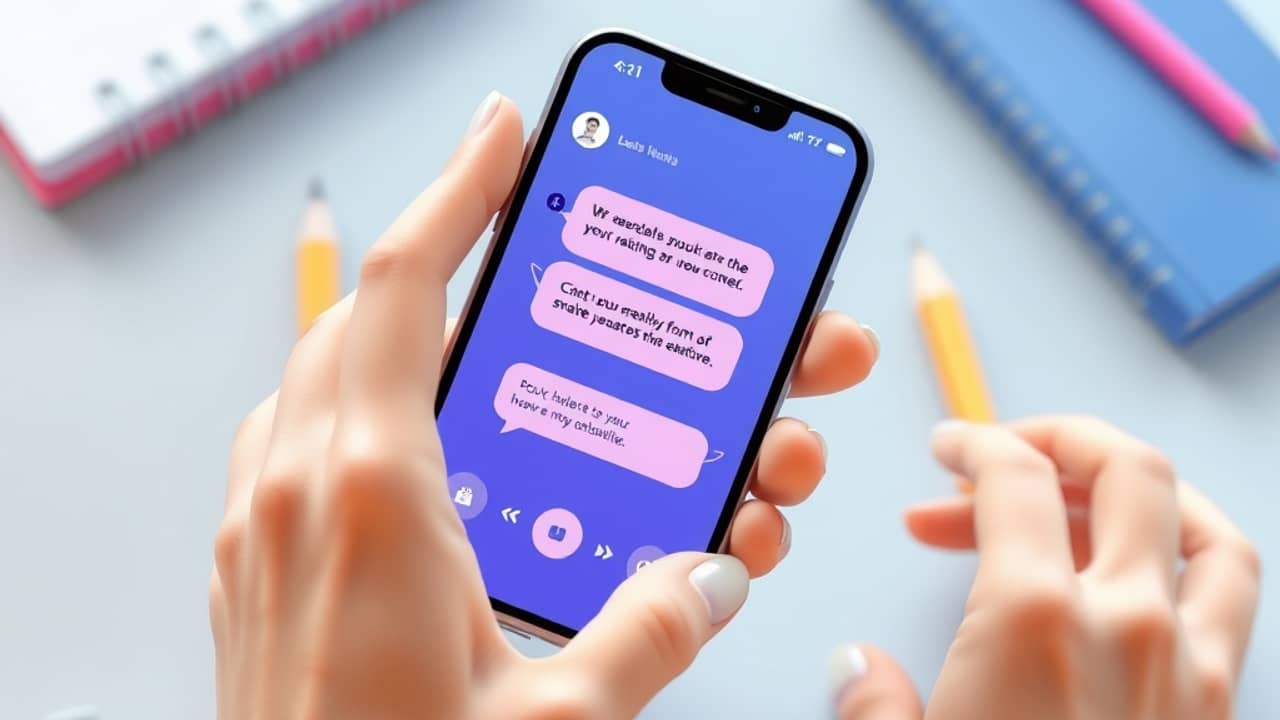
You've probably watched a kid in your life pull out a phone and ask an AI chatbot a homework question in the time it took you to find a pencil. That moment is small, but it captures something big: this generation is the first to grow up with AI as a normal tool, the way millennials grew up with the internet.
What "AI literacy" actually means
AI literacy is the ability to use AI tools well and think clearly about how they work. It has three parts:
- Practical skill — knowing how to ask an AI for what you need (writing a clear prompt — the instruction you give to the AI), and how to check whether the answer is right.
- Critical thinking — understanding that AI can be wrong, biased, or confidently made-up (a well-known problem called hallucination — when an AI invents facts that sound true).
- Context — knowing when AI helps and when it doesn't, plus the basics of privacy (what you shouldn't share) and how AI is shaping jobs.
Think of it like learning to drive: you need to handle the car, read the road, and know the rules. Just knowing how to start the engine isn't enough.
What good AI learning looks like in practice
Educators and parents who've been experimenting tend to land on a few recurring ideas.
- Use AI as a study partner, not a shortcut. Ask it to explain a difficult concept in simpler words, or to quiz you on what you just learned. This builds understanding instead of replacing it.
- Always check the output. Treat AI like a friend who's usually right but sometimes confidently wrong. Fact-check anything important — a date, a quote, a math result.
- Talk about it. Kids who use AI alongside a parent or teacher tend to develop better habits than those left alone with a chatbot. Even a five-minute conversation about what the AI just said goes a long way.
- Learn the ethics early. Who owns what the AI writes? Is it okay to use AI for an essay if you do the thinking yourself? These questions don't have one right answer, but they need to be asked.
Wrap-up
The first generation to grow up with AI is already in classrooms. The good news: helping them use it well isn't about being a tech expert. It's about staying curious, asking questions, and showing up for the conversation. Pick one moment this week — a homework session, a class lesson, a chat with a teen in your life — and start there.