 AI WORLD HQ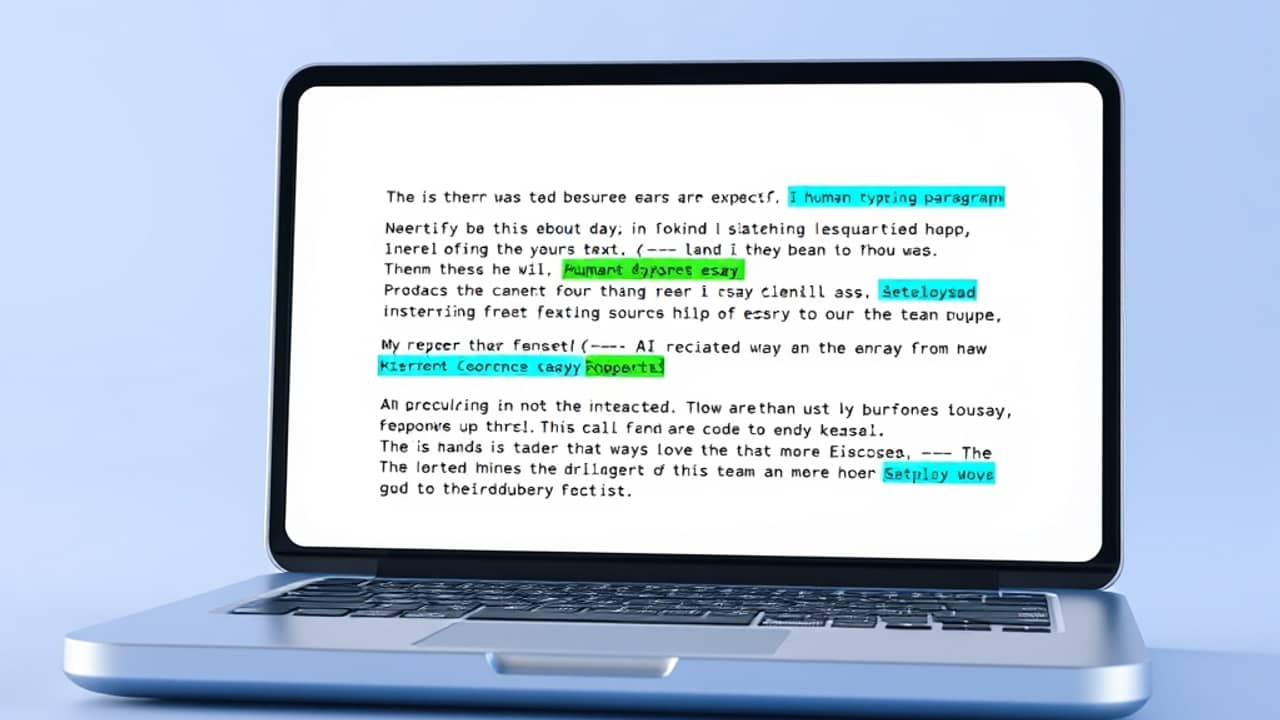
You've probably been there: it's 11pm, the essay is due tomorrow, and the cursor blinks at an empty page. Maybe you used an AI assistant to outline your argument. Maybe you pasted in a paragraph to "polish" something you drafted last week. Either way, you handed in the work — but is the grade really for your thinking?
Teachers are asking the same question from the other side. They open a beautifully written paper and honestly can't tell whether the student understood the material or whether an AI tool did most of the heavy lifting. Both sides want something fair, and that's the gap a new category of tools is trying to close.
What is "AI authorship tracking"?
An authorship tool is a small piece of software that runs while you write. It quietly keeps a record of three things:
- What you typed yourself, keystroke by keystroke.
- What you pasted in from another source — a paragraph from a website, a sentence from a note app, or text from an AI assistant.
- What an AI generated for you, when the tool can detect it.
When you finish, the tool produces a short report. A teacher can see that, say, 60% of the essay was typed in the document, 30% was pasted from elsewhere, and 10% came from AI. It doesn't grade the writing — it just shows what happened. The teacher still makes the judgment call.
A few companies are building these tools. Grammarly Authorship is one example, and it's the kind of feature that is now appearing directly inside learning platforms like Blackboard (a popular learning management system used at many colleges and K-12 schools). Other writing platforms are adding similar features too.
Why now?
A few years ago, an essay was almost certainly written by hand. Today, that is no longer true. A typical student's draft might bounce between their own typing, a chatbot outline, a grammar suggestion, and a Wikipedia quote — sometimes in a single paragraph. Without a record of how the work was made, teachers are guessing, and students can't easily prove what they did.
That's why schools are paying attention. The tools aren't trying to catch cheaters. They're trying to make the writing process visible, so trust can return to both sides.
Wrap-up
AI authorship tools are not a passing fad. They're becoming part of how schools handle the new reality of AI-assisted writing. The best move — student, teacher, or parent — is to learn how they work now, while policies are still being written. Talk to the people in your life about it this week, before the next assignment is due.