 AI WORLD HQ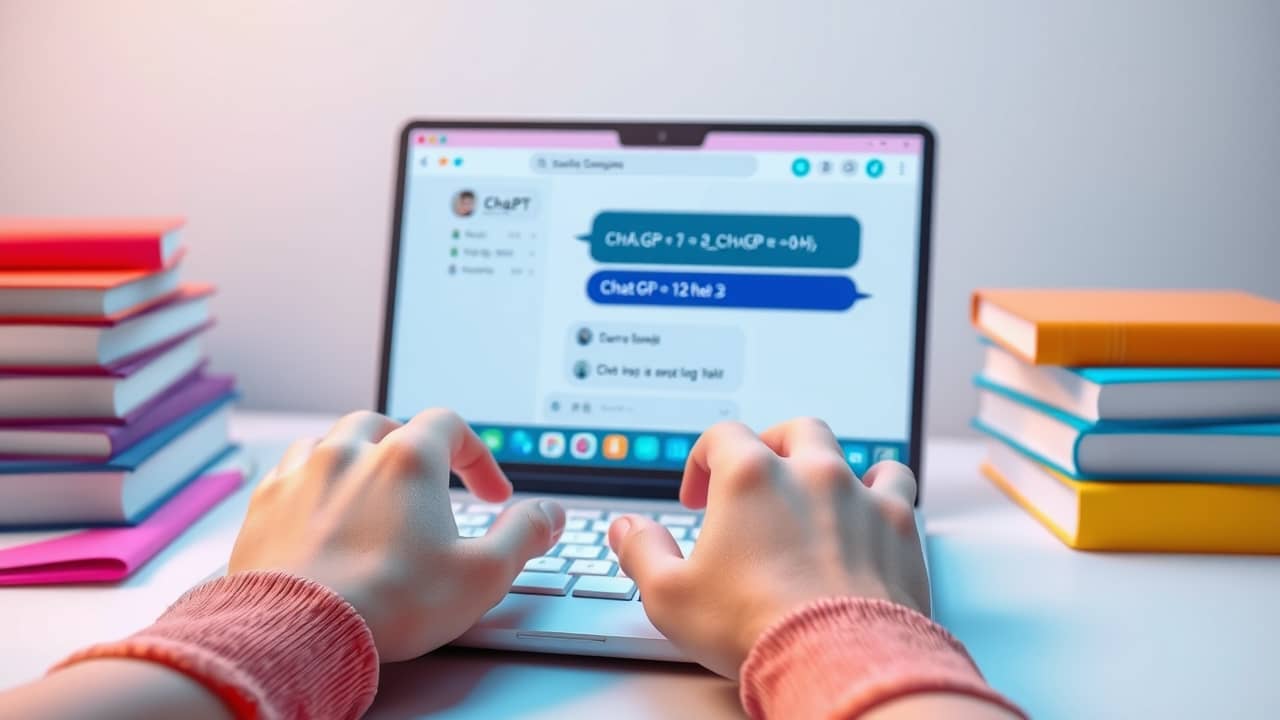
You're stuck on a homework problem. Maybe it's a chemistry equation that just won't click, or a history essay where you can't figure out where to start. You've always had to figure it out alone — or wait until the next class. That situation is starting to change.
AI tools are increasingly being designed with education in mind. ChatGPT, OpenAI's conversational AI, and Codex — a system that helps write and understand code — now include capabilities that go beyond simple questions and answers. They can act more like a patient tutor or a helpful teaching assistant, depending on who is using them.
But there's an important distinction worth making upfront. These tools are meant to support learning and teaching, not replace the work itself. A student still needs to do the reading. A teacher still needs to bring their expertise and judgment to the classroom. The AI is a tool in the toolkit — useful, but not the whole toolkit.
What these tools can do for students
If you're a student, AI can help in a few specific ways that are genuinely useful for learning.
Explaining concepts you didn't catch in class. You can paste a confusing passage from a textbook or lecture notes and ask the AI to break it down in simpler terms. A question like "Can you explain this paragraph like I'm 13?" often works better than just asking "What does this mean?"
Generating practice questions. If you want to test yourself before an exam, you can ask AI to create practice questions from your notes. This is a study method called active recall — instead of just re-reading, you're forcing yourself to produce answers, which helps information stick better.
Checking your work on math and science problems. For subjects like algebra or physics, you can show your steps and ask the AI to spot where you went wrong. The AI can point out the error without just giving you the answer, which keeps you in the learning loop.
What these tools can do for teachers
If you're an educator, AI can handle some of the time-consuming prep work that takes away from actually teaching.
Drafting lesson plans. You can give the AI a topic, the grade level, and how much time you have — then ask it to draft a basic lesson outline. You'll still want to review and adjust it for your specific students, but it gives you a starting point instead of a blank page.
Creating differentiated materials. If your class has students at different levels, AI can help generate modified versions of a worksheet or reading — simplifying text for some students or adding extension questions for others who need more challenge.
Generating quiz and test questions. Instead of spending time creating multiple-choice or short-answer questions from scratch, you can paste in your lesson content and ask the AI to generate draft questions. You'll review and edit them before using them.
One approach that works well: Socratic questioning
Whether you're a student using AI to study or a teacher preparing materials, one technique stands out: asking AI to use Socratic questioning. That's when you work through a problem by asking a series of leading questions, rather than just getting the answer handed to you.
You can ask the AI something like: "Don't give me the answer — instead, ask me questions to help me figure this out myself." This keeps you actively thinking instead of passively receiving information. It's the difference between having someone explain how to ride a bike versus someone placing training wheels on your actual bike and spotting you.
The honest truth
AI tools make mistakes. They can confidently give you wrong information, a phenomenon researchers call hallucination — when an AI produces something that sounds right but isn't. For students, this means always double-checking facts, especially for subjects like history or science where accuracy matters. For teachers, it means reviewing any AI-generated content before using it with students.
These tools are also changing fast. The features available today may look different in six months. What stays consistent is the core purpose: helping people learn and teach more effectively, not replacing the humans who do the learning and teaching.
Start small this week. If you're a student, try explaining a confusing topic to the AI and asking it to question you — just like a tutor would. If you're a teacher, paste one lesson's worth of content into an AI tool and ask it to draft five quiz questions. You'll quickly see what this technology does well and where it still needs your expertise.