 AI WORLD HQ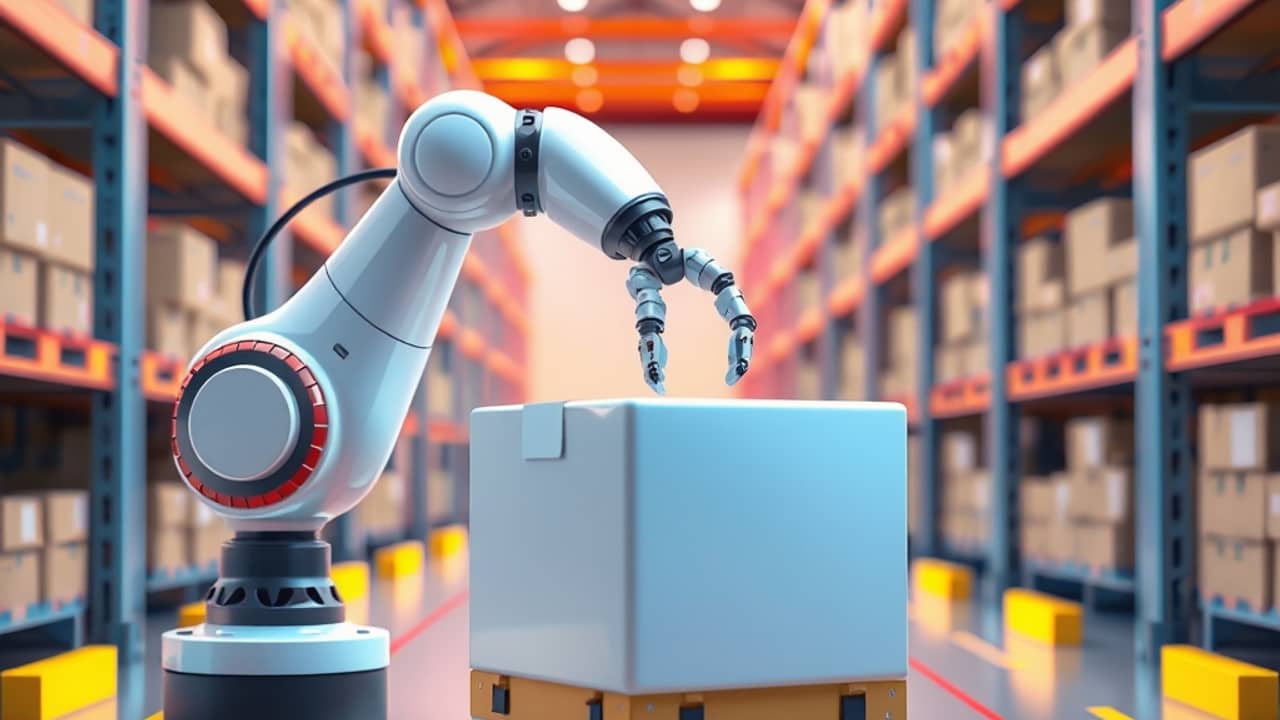
You don't have to work in tech to notice AI showing up in physical places. The self-driving car ahead of you in traffic. The robot arm stacking boxes. The chatbot that just handled your refund. A few years ago, these were demos; today, they're live at scale — and that changes what "safe" has to mean.
From "smart AI" to "everywhere AI"
Two categories are leaving the lab and entering shared spaces.
Physical AI is the umbrella term for AI that controls something in the real world — a car, a warehouse robot, a delivery drone. Industry estimates put the coming installed base in the tens of millions within a decade.
AI agents don't just answer questions; they take actions. They book appointments, file expense reports, query databases, send emails. Less like a search box, more like a fast intern who can use tools.
Both make decisions where mistakes cost more than a wrong search result.
Why "safety at every layer" is the new conversation
When a traditional app fails, the damage is usually contained. With physical AI and agents, it isn't. A self-driving car that misreads a stop sign can hurt someone. An AI agent with email access can leak data or move money if tricked by a cleverly worded instruction (often called a "prompt injection" — a hostile instruction disguised as ordinary text).
The industry's response is to treat AI safety the way aviation and medicine already do: as an engineering discipline with written requirements, tests, named owners, and evidence that the protection actually works. In plain terms:
- Defined requirements — written, testable statements of what the system must and must not do, not vague promises.
- Layered defenses — one safeguard alone isn't enough; if one fails, another catches the problem.
- Named accountability — a real person or team owns each layer; "the AI did it" is not an acceptable postmortem.
- Evidence, not vibes — logs, red-team tests (deliberate attacks designed to find weak spots), and third-party audits.
The shorthand is "safety at every layer of the agent stack" — from the hardware up through the model's reasoning, the tools it uses, the data it sees, and the humans overseeing it.
Wrap-up
AI is no longer confined to a chat window. It's in the car ahead of you, the warehouse floor, your inbox. The safety conversation has shifted accordingly — from research papers to engineering checklists, from "can it?" to "should it, and how do we know it's safe?". You don't need to build these systems to take that question seriously. The next time a company promises its AI is safe, ask what they mean — and what evidence backs it up.