 AI WORLD HQ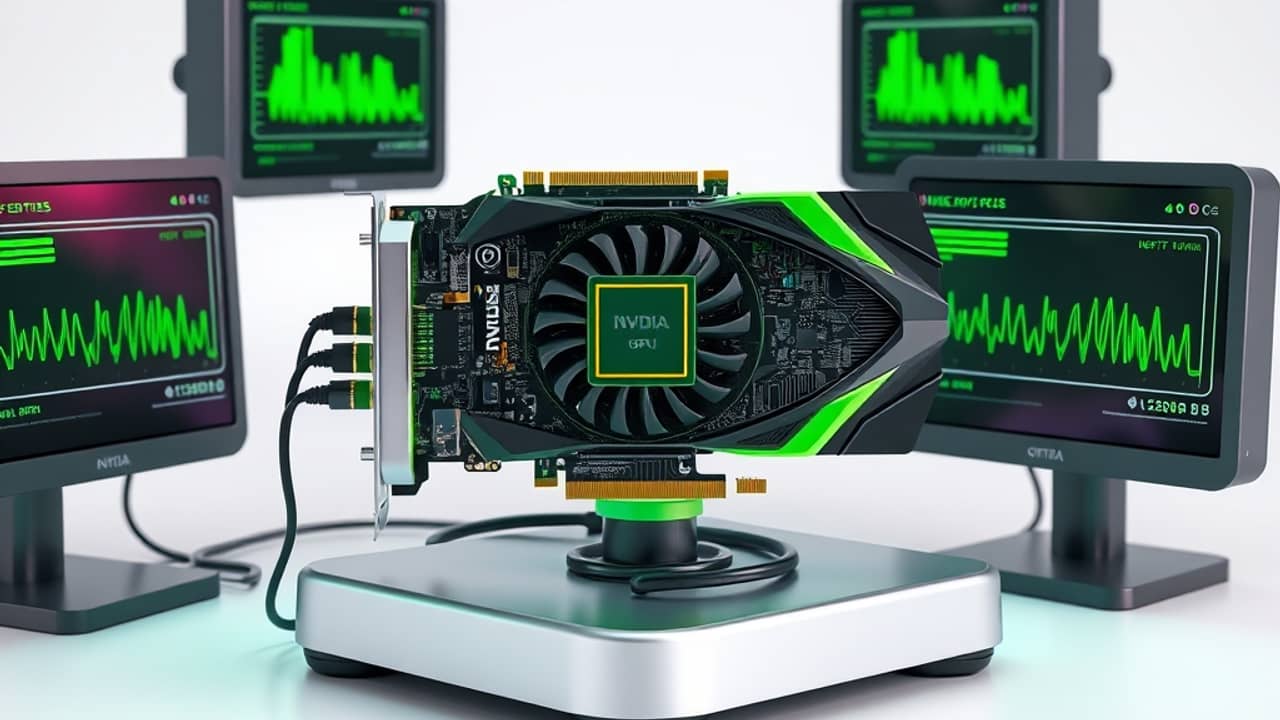
When you open a laptop or fire up an AI tool, you probably don't think about the months of testing that happened before the machine reached you. Engineers like Sakeena Fiza think about nothing else. Their entire job is to imagine everything that could go wrong — and then prove it.
What "validation" actually means
If you've ever bought a product that broke a week later, you've felt what happens when validation (the careful testing that proves something works as promised) gets skipped. In the chip world, validation is the step between "we designed this" and "you can trust this." Engineers put new hardware through thousands of scenarios — heat, cold, heavy workloads, weird edge cases (rare or unusual situations most users never hit) — to confirm it doesn't fail when real people use it.
Think of it like a building inspector who walks every floor of a skyscraper before anyone moves in. The inspector isn't designing the building. They're making sure the design actually holds up.
The detective mindset
Fiza, a validation engineer at NVIDIA, compares her daily work to detective fiction. In her words, "validation engineers look in the shadows and shine a light into every corner." When a new system lands on her desk, her first thought isn't "how does this work?" — it's "how could this break?"
That framing matters because AI hardware is unforgiving. A GPU (the processor built for handling huge amounts of computation in parallel) running modern AI models crunches through intense workloads nonstop. A tiny flaw that shows up once in a million runs still affects real users when you multiply by millions of customers. The validation team's job is to find those flaws before they ever ship.
Why this matters to you
You may never meet a validation engineer, but you've benefited from their work every time a piece of AI tech simply worked.
- Fewer surprises. The reason your laptop, phone, or gaming PC usually runs smoothly is that somewhere, a team tested it under conditions similar to yours.
- AI products you can rely on. When you ask an AI assistant to summarize a document or generate an image, the chips handling that request have been hammered with edge cases. That kind of reliability is engineered, not accidental.
- Careers that rarely make headlines. Validation is one of several behind-the-scenes roles quietly keeping the AI industry moving forward.
Wrap-up
Validation engineers like Sakeena Fiza rarely get the spotlight, but their work is what makes every other AI breakthrough usable. Their constant question — "how can it break?" — is the question that quietly keeps the technology honest.
A simple next step today: when you use any AI tool this week, notice how rarely it crashes or produces a broken result. That quiet reliability is someone's full-time job.