 AI WORLD HQ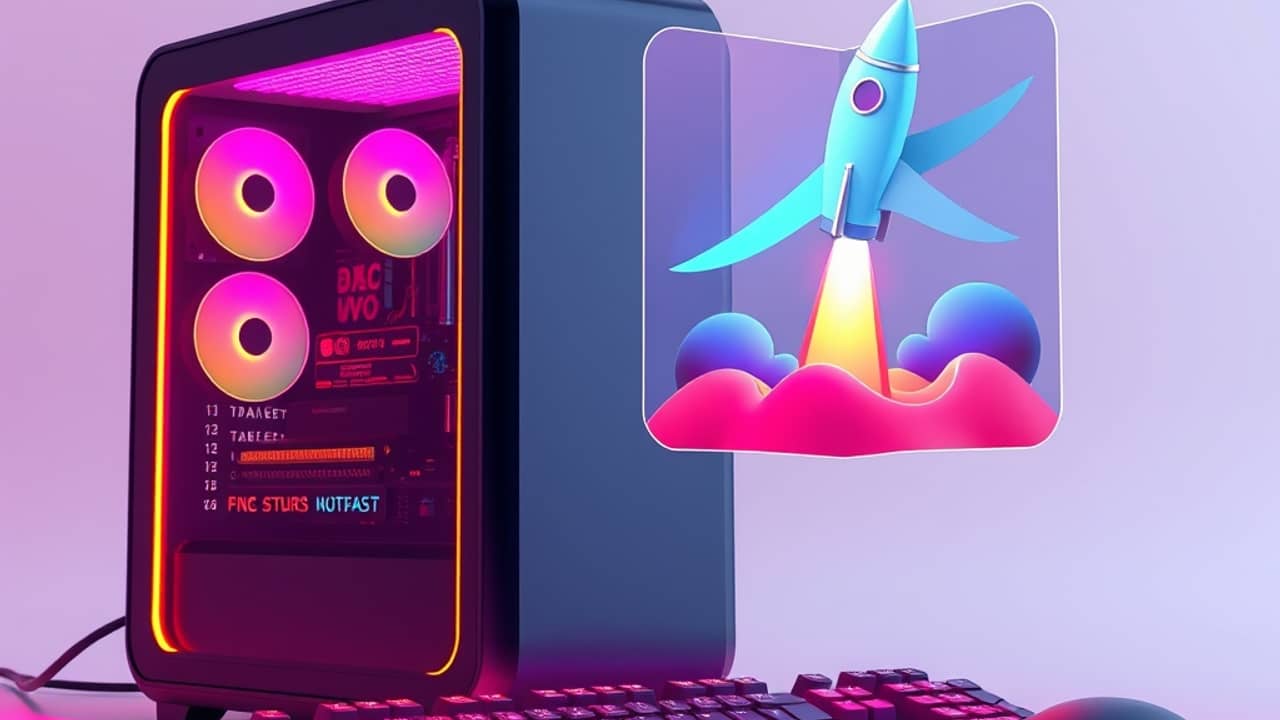
AI used to mean "a chatbot in a browser". This week, NVIDIA put out two announcements that hint at where it's heading next — and one of them might literally end up on your desk.
The big picture from France
In a recent post, NVIDIA shared an update on its investments in French startups. The country's companies are using what's called agentic computing — think of it as AI that doesn't just answer questions, but takes actions on your behalf, like booking a meeting, running code, or pulling data on its own.
According to NVIDIA, these startups are putting agentic AI to work in space, financial services, the public sector, and scientific research. NVIDIA credits the AI Action Summit in February 2025, along with the Choose France Summits in 2025 and 2026, with anchoring major compute (the raw processing power AI needs to run) commitments. France is moving, in NVIDIA's words, "from ambition to application."
Why mention France here? Because it's one more signal that serious AI work is spreading beyond the usual American giants. The actual products and services from these startups will eventually reach users everywhere — through apps, websites, and tools you already touch every day.
What's RTX Spark?
The second announcement is the more tangible one. NVIDIA RTX Spark is a desktop machine that NVIDIA describes as combining "a gaming PC, a creative studio and a personal AI supercomputer into a single superchip."
In plain English: instead of renting AI power from a faraway server (that's basically how ChatGPT works today), RTX Spark puts it inside your own machine. NVIDIA says it ships with up to 128GB of unified memory — meaning the part of the computer that handles graphics and the part that handles AI can share the same pool of working memory — and 1 petaflop of AI compute. A petaflop is one thousand trillion calculations per second, so RTX Spark, in NVIDIA's framing, brings serious AI muscle to a desktop form factor.
NVIDIA also says the broader PC app ecosystem — the everyday programs you'd run on it — is ready for the new hardware. So it's not a chip sitting alone; the apps you'd actually want to use are reportedly lined up.
Wrap-up
Two announcements, one theme: AI is getting more capable, more local, and more deeply embedded in work and play. You don't need to act on either yet, but it's worth knowing the direction of travel. The easiest next step today: try a small AI task in your browser and notice which parts feel slow or limited. Those slow parts are exactly the ones local hardware like RTX Spark is designed to fix.