 AI WORLD HQ

Some weeks bring a single big launch. This week brought five separate updates, and each one touches something you may already do: buying gifts, using a laptop, or listening to a narrated video. Let's walk through them.
1. Anthropic Completes Its IPO

Anthropic, the company behind the Claude assistant, completed its first initial public offering, or IPO (the first time a company sells shares to the general public on a stock market). Shares are now open to ordinary investors, not only to large funds and early backers.
The company says it will put the money toward continuing to build Claude and expanding its research. For you, the practical effect is visibility: a public company must regularly report on its finances and direction, so there will be more official information to read about where Anthropic is heading. If you follow AI news, that is a useful place to look. This article doesn't offer investment advice; it simply explains what the listing is.
2. Salesforce Predicts AI Will Influence $75.8B in Cyber Week Sales
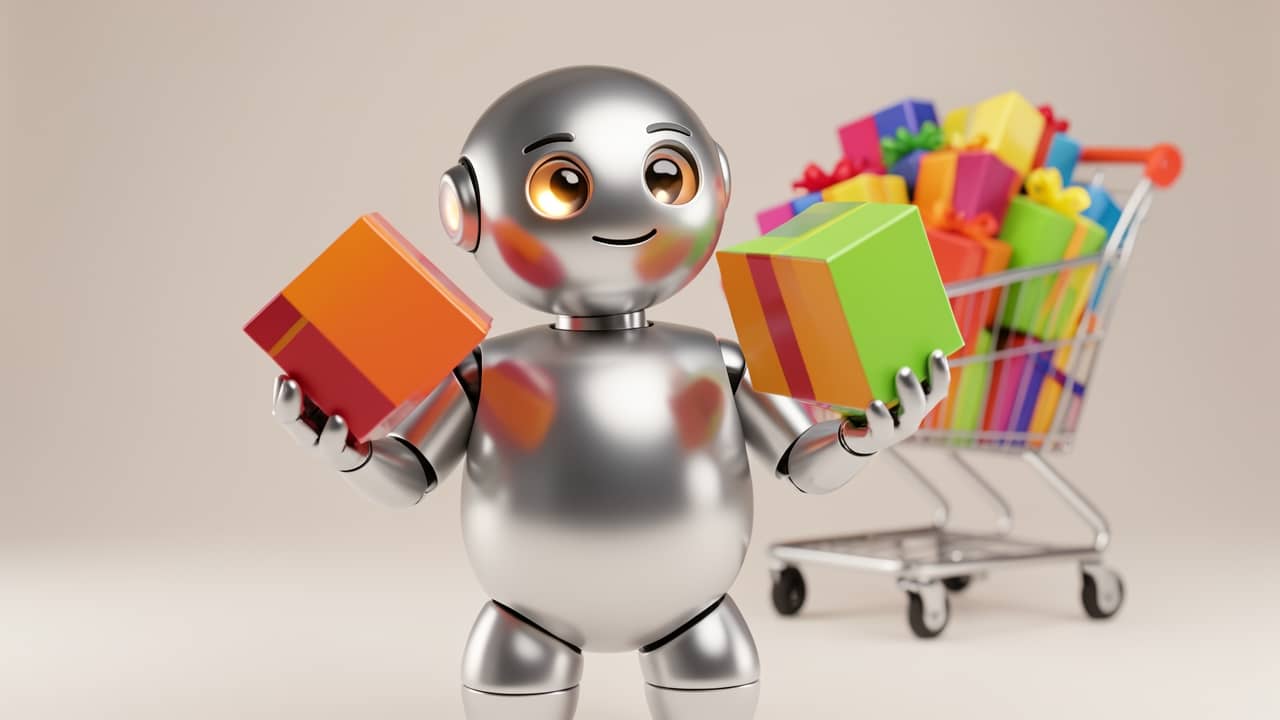
Cyber Week is the stretch of online shopping that follows the holiday weekend. Salesforce, a company that makes software for businesses, forecasts that AI will influence $75.8 billion in sales during the 2026 Cyber Week period. "Influence" is the key word: the forecast counts sales where AI played a part, such as a recommendation or a chatbot answer, not sales made by a robot shopper.
Think about what that looks like on your screen. An AI shopping assistant suggests a gift based on what you looked at last. A chatbot answers a question about sizing at midnight. A retailer adjusts prices to stay competitive. You may notice more personalized suggestions and faster answers, and you may also notice more pressure to decide quickly. Slow down before you buy.
3. Gemini on Mac Can Now Handle Repetitive Computer Chores
Google says Gemini, its AI assistant, can now work on Mac computers by clicking, typing, and filling in forms for you. This is what the industry calls "computer use" (an AI that operates your screen the way you would, instead of only answering questions).
Picture a task you repeat every Monday: copying numbers from one spreadsheet into another, or entering the same details into several forms. Google describes this kind of work as the target. The assistant handles the repetitive part while you focus on something that needs your judgment. Because the feature acts on your device, it is worth reading Google's official instructions before letting it run tasks on files that matter to you.
4. Amazon Polly Voice Cloning: What It Is and Who Can Use It

Voice cloning is a technology that creates a synthetic copy of a real person's voice. Amazon says its Polly text-to-speech service, which turns written words into spoken audio, now offers this option, and that a clone can be built from a few minutes of recorded speech.
What does that enable? Imagine writing a script and having narration generated in your own voice, without recording every line yourself. Amazon says the feature has consent controls, meaning the person whose voice is cloned must give explicit permission, and that access is limited. Those limits matter: they are the company's stated safeguards against someone copying a voice without permission. If you're a creator, a teacher, or someone who needs audio versions of written material, read Amazon's official details on eligibility before you plan around it.
5. How OpenAI's Automated Performance System Uses AI Agents to Keep ChatGPT Fast
Ever notice ChatGPT feeling slower than usual? OpenAI describes an internal system for finding and fixing those slowdowns, and says it now uses AI agents (programs that can carry out multi-step tasks with limited supervision) to do much of the investigating. Instead of engineers diagnosing each performance problem by hand, the agents look into what is causing a delay and help put a fix in place.
For you, the promise is fewer long waits and more consistent response times. It is a behind-the-scenes story, but it shows AI companies using AI to maintain the tools millions of people rely on each day.
Wrap-up
Five stories, one common thread: AI is becoming part of ordinary tasks, from the way you shop to the way your computer works. Your next step is simple. Choose the story that touches your life most, open its official link, and write down two facts the company itself states. That habit will help you separate what AI can do from what a headline says it can do.