 AI WORLD HQ
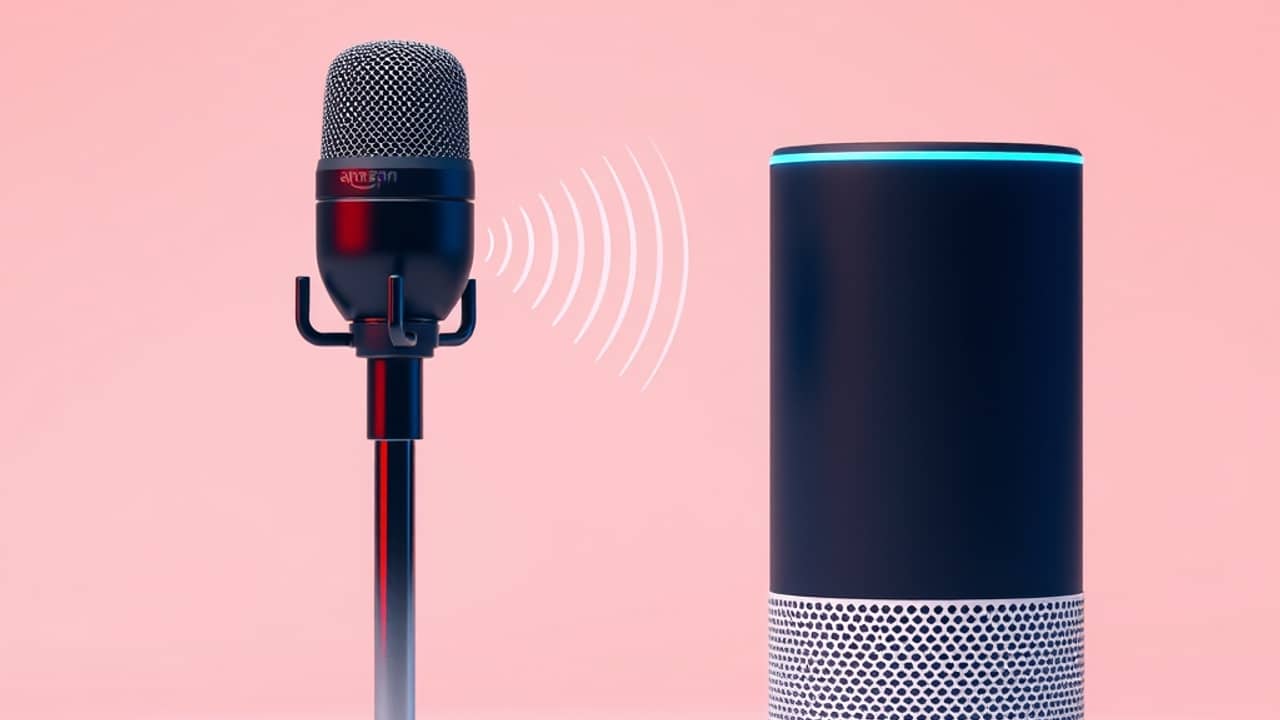
Have you ever wished a company's phone line, audiobook or app narrator sounded like one familiar voice, not a generic robot? That is the problem this new feature is meant to solve.
What voice cloning means
Text-to-speech (TTS) is software that turns written words into spoken audio. Voice cloning goes one step further. It learns the sound of one specific person, so the output sounds like that person, even when they never recorded the words being read.
Amazon says its cloned voices run on the Amazon Polly generative engine, the company's newer system for producing speech. Amazon states that these voices sound about as natural and accurate as the other generative voices in the service.
How the process works
Amazon describes four stages:
- Record: You gather recordings from one speaker. You can send them directly with a request, upload them in the console, or store them in an Amazon S3 bucket (a cloud storage space) and point Amazon Polly to them.
- Create: You submit between one and ten recordings, the language they were spoken in, and a confirmation that the speaker agreed. Amazon Polly returns a voice ID right away.
- Wait: Building the voice happens in the background and typically takes five to ten minutes. Amazon says the service also checks the quality of the audio during this time.
- Use: Once the voice is ready, you send text and receive speech in that voice.
💬 Example: Think of the recordings as the raw material. The more clean, consistent audio the speaker provides, the better the result Amazon can build from it. (Amazon's own recording tips are in its official documentation.)
Languages, privacy and access
At launch, Amazon lists seven languages: English, Spanish, German, French, Italian, Portuguese and Hindi. Each cloned voice speaks only the language it was recorded in. If you need a voice in several languages, you create and review one per language.
Amazon says cloned voices are encrypted automatically (scrambled so outsiders cannot read them) and access-controlled, so only your account can use them. Each time you create a voice, you confirm that the speaker has consented.
Amazon says the feature is available in every AWS Region that supports the generative engine, including the AWS GovCloud (US) Region. Access is already enabled for some customers. Others can contact their AWS account team or apply for access.
Billing is usage-based. Amazon says there is no charge for building a cloned voice itself, while cloned-voice usage is billed pay-as-you-go. For current rates, check the official Amazon Polly pricing page.
Wrap-up
Amazon Polly voice cloning turns a few minutes of consented recordings into a custom voice that can read new text in seven languages. Amazon says the voices are encrypted, access-controlled and available across many AWS Regions. If you work with voice content, a good next step is to read Amazon's official announcement and its voice cloning documentation, then decide whether a short test fits your project.