 AI WORLD HQ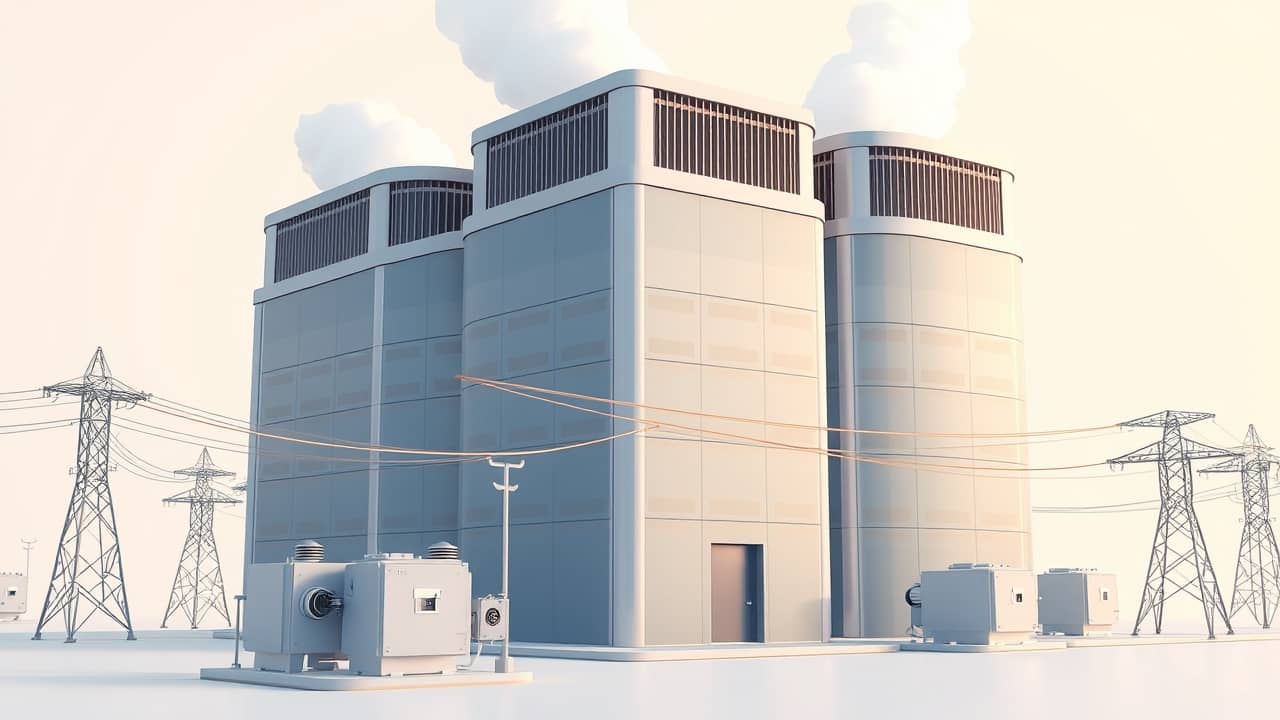
You asked ChatGPT for a recipe last night. Before the answer showed up on your screen, a building the size of a warehouse somewhere in the U.S. was burning through electricity and water to "think" about your question. That building is part of what people now call AI infrastructure — the physical side of artificial intelligence that most of us never see.
What "AI infrastructure" actually means
When a company like OpenAI, Google, or Anthropic builds a new AI tool, they also have to build the hardware behind it. That hardware lives in data centers — large, secure buildings full of specialized computer chips. The chips get hot, so the buildings need powerful cooling systems, often running on water. They also need a steady, huge supply of electricity — sometimes as much as a small city uses.
"AI infrastructure" is the umbrella term for all of this: the data centers themselves, the power lines feeding them, the cooling systems, the land they sit on, and the roads and water pipes serving them. It's not just servers in a closet. It's industrial-scale.
Why it suddenly matters to regular people
Until recently, this side of AI stayed out of the news. Now it's front and center for one reason: the build-out is enormous. Companies are racing to construct new data centers to handle AI tools like ChatGPT, Claude, and Gemini, and they need places to put them.
That has knock-on effects anyone can feel:
- Electricity prices. When a region adds a giant new power user, the cost of generating and transmitting that power can rise for everyone else. Several U.S. regions have already seen utility bills climb where big data centers came online.
- Water use. Cooling systems for large AI facilities can pull millions of gallons a day from local supplies. In dry areas, that draws attention fast.
- Jobs and tax revenue. On the positive side, data centers bring construction jobs, permanent technician roles, and significant local tax income — sometimes the biggest a small county has ever seen.
- Land and noise. A data center isn't a small shed. It can cover hundreds of acres and run noisy cooling equipment around the clock.
The bigger conversation
This is why you'll see AI companies writing to governors and meeting with utilities. They're trying to line up the power, water, and permits for the next wave of facilities. Communities, in turn, are starting to ask: do we want this here? What's in it for us? And who pays if electricity goes up?
These are reasonable questions. They're not anti-AI — they're the same questions any town asks when a large factory moves in.
Wrap-up
AI isn't just a chat window — it's a physical industry with real consequences for power, water, and land. You don't have to be an engineer to have an opinion on where these facilities go. The next time you read about a new data center in your area, you'll know exactly which questions are worth asking.