 AI WORLD HQ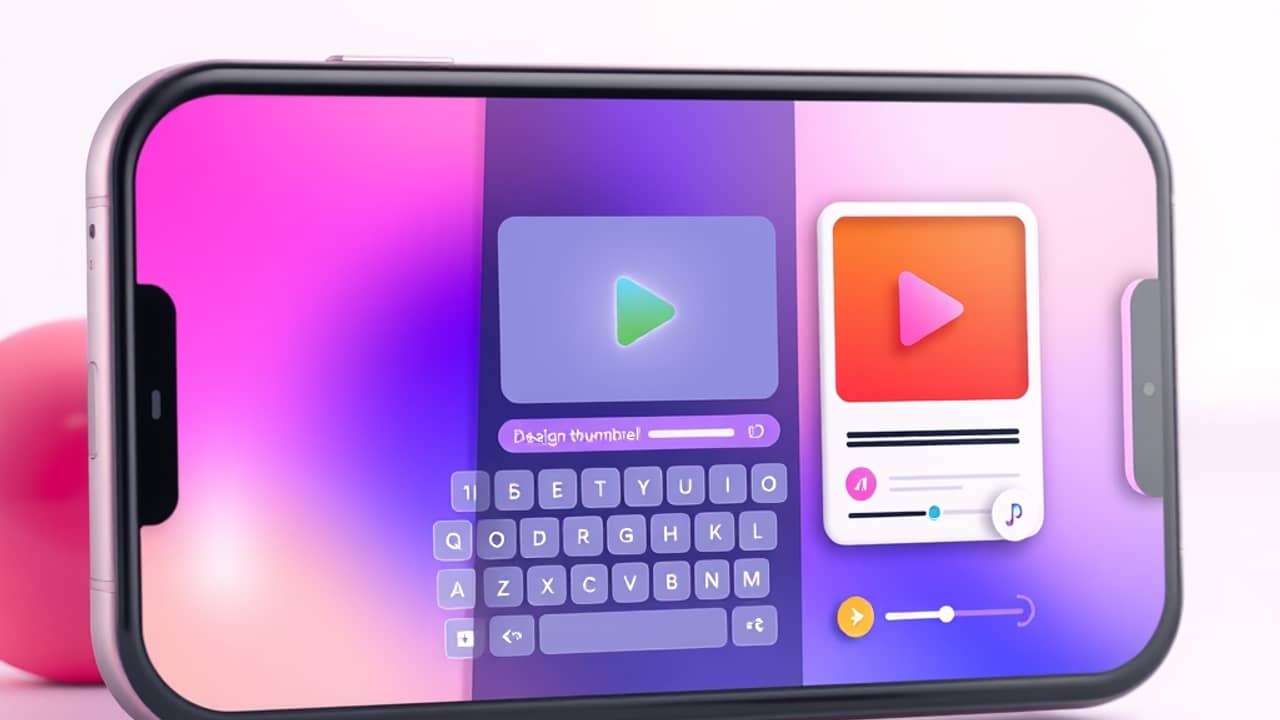
You're scrolling on your phone and see an ad for a custom 15-second birthday video, complete with original piano music. The fine print says it was made from a single sentence by an AI tool inside a design app. A year ago, that ad would have sounded fake. Today it's a real direction the industry is heading.
What "multimodal" actually means
You've probably met AI tools that each do one thing well: one writes text, one makes images, one generates music, one edits video. The results often don't match in style, and you end up stitching them together yourself.
The newer idea is called multimodal AI. "Modal" just means a type of content — text, image, video, and audio are all different modes. "Multimodal" means one system can handle several of them together. In theory, you describe a scene once — picture, motion, mood, music — and the tool returns a coherent package instead of three loose pieces.
In practice, the picture, video, and sound are usually generated by separate models under the hood (think of "models" as different AI specialists, each trained for one job), then combined. Whether they truly feel "made together" or just "placed together" depends on how well the team behind the tool tuned that integration.
Why this matters inside apps you already use
The interesting part isn't the tech demo — it's where the tools live. Picsart, Canva, Adobe, and similar creative apps have all been layering AI features into editors that millions of people already know. That matters because most people won't open a brand-new AI tool, but they will tap a button in an app they use every week.
The same thing happened with filters about fifteen years ago. Nobody downloaded a separate "filter app" — Instagram just added filters, and suddenly everyone was using them. AI features follow the same pattern: they show up where people already are.
What's genuinely useful right now
Be honest about what's actually good today, versus what's still a marketing promise.
Already solid: short AI-generated video clips from a text prompt (a few seconds long, decent quality, often stylistically consistent). AI image generation inside design apps is mature enough for moodboards, social posts, and quick drafts.
Still rough: audio that truly matches the picture without sounding generic. Realistic human faces and voices — they often look or sound slightly off. Long videos with consistent characters across multiple scenes.
The honest middle: treat any all-in-one AI output as a creative starting point. A 15-second clip with matching music is a real win for a birthday reel. A polished brand commercial with custom dialogue? Not yet — and any tool claiming otherwise deserves a healthy dose of skepticism.
Wrap-up
Multimodal AI creative tools are real, they live inside apps you probably already have, and they're good enough for everyday projects — but the marketing tends to oversell what's actually ready today. The smart move: try them with a real task, treat the first output as a draft, and check the app's current features yourself, since these tools update weekly.