 AI WORLD HQ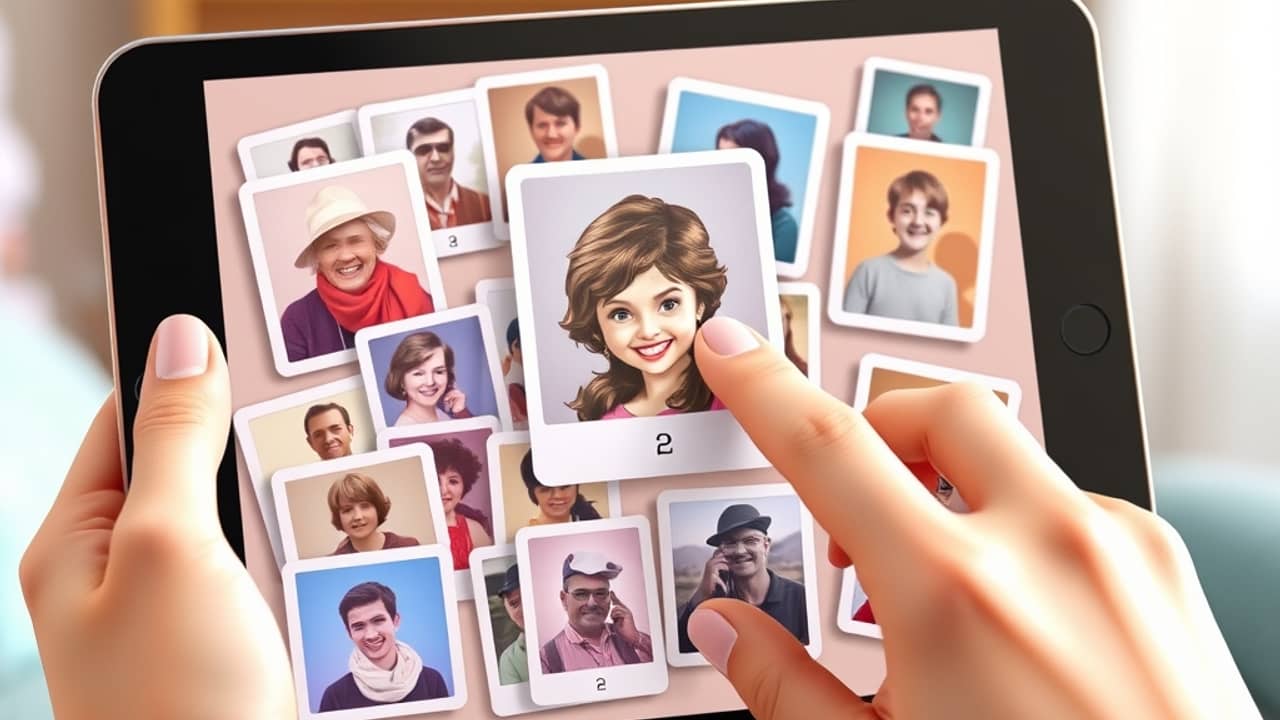
If you've ever sat next to a parent or grandparent who doesn't quite remember your name anymore, you know how painful those moments feel. A new project is trying to ease that — by using AI to build memory games out of the actual life of the person playing them.
What the project is
Memory Lane Games is a small company that already makes simple memory games for people living with dementia. Their existing app uses gentle questions like "What street did you grow up on?" or "What was your first job?" — prompts a caregiver can use during a visit.
The new piece is a collaboration with SAP (the big enterprise software company) and EY (the consulting firm). Together they've built an AI prototype — a working-but-early version of a tool that can take stories about someone's life and turn them into new, personalized memory activities automatically.
In plain terms: instead of a caregiver sitting down to write out twenty questions about Mom's childhood, the AI would help generate them from the stories a family has already shared. A granddaughter could upload old letters, or a son could type in a few memories, and the system would build a custom set of questions around them.
Why personalization matters
Dementia affects everyone differently. Some people lose short-term memory first but keep childhood memories sharp for years. Others struggle with language or get frustrated by anything that feels like a test. Generic trivia games often miss the mark — they're too random, too unfamiliar, too easy to dismiss as "not for me."
When the questions come from a person's own life — their wedding, their first car, the street they lived on at age eight — the brain has more hooks to grab onto. Caregivers and researchers have known this for decades. Old photos, familiar songs, and personal stories often spark moments of clarity that nothing else does.
What AI adds here is speed and scale. A family could feed in stories over time and the tool could keep building fresh activities from them, so the games don't go stale the way a printed quiz book does.
Wrap-up
Personalized memory games won't cure dementia — nothing does yet. But they can give families a way to stay connected during a stage of life when connection gets harder. The AI prototype from Memory Lane Games, SAP, and EY is one sign of where this is going. The bigger takeaway for any family is simple: the stories you already have may be the best tool you own.