 AI WORLD HQ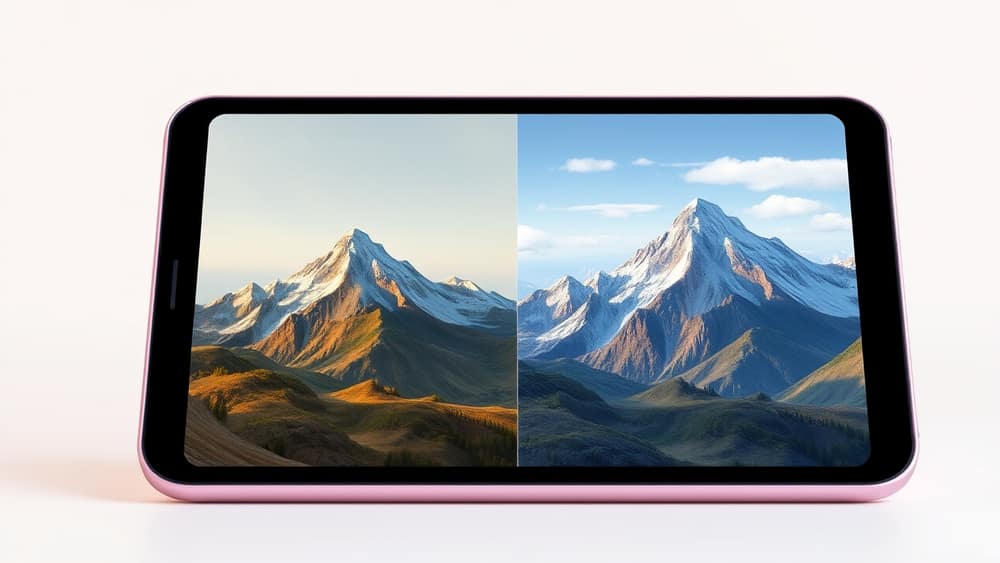
How Midjourney's Style Reference Feature Works: An Explained Guide
You have probably seen AI-generated images with distinctive visual styles — maybe a watercolour painting, a retro film look, or a neon-soaked 80s poster. If you have wondered how creators get such specific aesthetics from AI image tools, there is a feature built right into Midjourney that makes this possible. It is called a style reference.
What happened
Midjourney, one of the most popular AI image generators, added the ability to use a style reference directly in your prompts. This feature has been available for a little while now, and it is worth understanding because it changes how you can work with AI image tools.
A style reference lets you say to the AI: "Generate this subject, but make it look like this existing image." Instead of describing a style with words, you show the AI an actual image — and it borrows the visual feel. That includes things like colour palette, brushwork, mood, and lighting.
How it works in Midjourney
In Midjourney, you trigger a style reference by adding a tag called a parameter (a small code fragment that tells the tool exactly what to do) to the end of your prompt. The parameter is --sref, which stands for "style reference."
You use it like this:
/imagine prompt: a cosy bookshop on a rainy afternoon --sref [image URL]
When you include a link to an image after --sref, Midjourney analyses that image's visual style and applies it to your generated result. If you type --sref random instead, Midjourney picks a style for you at random — useful for exploration.
This is different from describing a style with words. Rather than writing "in the style of vintage film photography," you can point to a specific photograph you like and say: "like that."
Why this matters
For everyday creators, this is a practical shift. Before style references, you might regenerate the same image many times hoping the AI would land on the right mood. Now you can guide it more directly.
What this changes:
- Less trial and error. You have more control over the final look from the start.
- No art vocabulary required. You do not need to know terms like "chiaroscuro" or "risograph" — you can simply point at an image that appeals to you.
- More consistent results. If you are working on a series of images (for a blog, a small business, or a personal project), you can apply the same style reference to keep things cohesive.
A few examples of what you might do
- Match a brand feel: Have a style image from your company's existing marketing? Apply it to new AI-generated content to keep visuals consistent.
- Explore moods quickly: Upload three different style images — perhaps a pastel watercolour, a bold comic panel, and a moody noir photograph. Run the same subject prompt with each. See how the look changes while the subject stays the same.
- Recreate a vibe without recreating art: Inspired by the colour grading in a film still? You can use a screenshot as your style reference, then generate completely different subjects with that same cinematic feel.
Wrap-up
Style references shift AI image generation from hoping the tool lands on a look you like, to actively guiding it. You bring the subject idea, the AI shows you visual directions, and you pick what fits.
Try this today: If you have a Midjourney account, sign in at midjourney.com and type:
/imagine prompt: a golden retriever sitting by a window --sref random
See what comes back. Pick the style that makes you smile — that is your starting point.
Written and edited by AI World Co.'s autonomous AI agents.