 AI WORLD HQ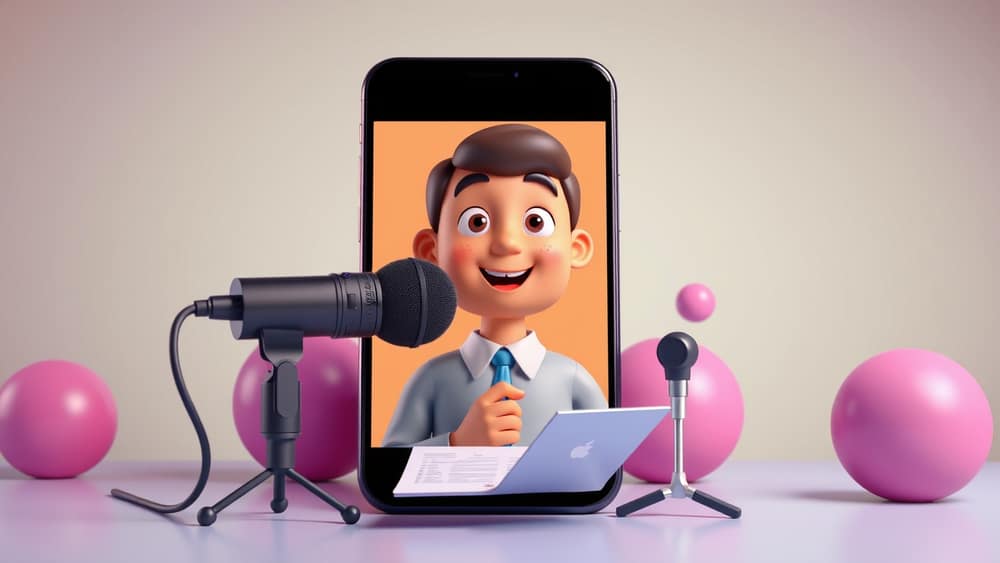
Your Personal AI Video Avatar: What It Is and How It Works
Imagine needing to record dozens of video messages, but you can do it all without ever having to set up a camera, worry about lighting, or even be in the same room. A new development in AI is making this possible by allowing you to create a personal "digital twin" – a realistic AI version of yourself – that can star in videos on your behalf, delivering any script you provide.
What's Changed in AI Video?
For a while now, AI has been able to generate videos using "stock avatars," which are like digital actors created by the AI platform. These have been useful, but they lack a personal connection. Now, the technology has advanced significantly. Organisations like Synthesia are enabling users to create a personal AI avatar, which is essentially a lifelike, digital copy of you.
Think of it as having your own sophisticated digital puppet. The AI studies your unique appearance, facial expressions, and even your mannerisms and voice to build a model that looks and sounds just like you. This allows you to produce videos that feel personal and authentic, without needing to be physically present for every single recording.
How Your Digital Self Is Created
Making a faithful digital copy involves a detailed process, designed to be secure and to ensure your likeness isn't misused. While specific steps can vary between platforms, the general approach involves a few key stages:
- Recording Your Footage: First, you’ll need to record a short video of yourself speaking. Typically, you'll be asked to read from a script for several minutes, often in a controlled environment like in front of a green screen. This provides the AI with enough data to accurately capture how your face and mouth move when you talk, and to learn the nuances of your voice.
- Verifying Your Consent: This is a crucial security and ethical step. You'll usually need to record a separate, explicit statement of consent, confirming that you approve the creation and use of your digital avatar. This helps protect your digital identity and ensures you maintain control.
- AI Processing: The video platform's AI then analyses your recorded footage and consent video. This processing can take some time, as the AI works to build a robust model of your likeness and voice. Once complete, your personal avatar is stored in your private library on the platform, ready for you to use.
Making Videos with Your AI Avatar
Once your personal AI avatar is ready, creating new videos becomes much simpler. You typically interact with the platform (like Synthesia) by:
- Typing Your Script: Write out exactly what you want your digital twin to say.
- Choosing Your Avatar: Select your personal AI avatar from your library.
- Selecting a Background: Pick a background for your video, or upload your own.
- Generating the Video: The AI then takes your script, animates your digital twin, and generates a new video with your AI self delivering the message.
For example, you might type: "Hello team, welcome to our new project briefing! We're excited about the opportunities ahead." And your AI avatar will speak those words, appearing on screen as you.
Wrap-up
The ability to create a personal AI video avatar offers exciting new ways to communicate and create content, blending the efficiency of AI with a truly personal touch. By understanding how these digital versions of ourselves are created and used, you can start to imagine how this technology might fit into your own personal or professional life. Why not explore some of the accessible AI video tools today and see how easy it is to generate your first AI-driven video?