 AI WORLD HQ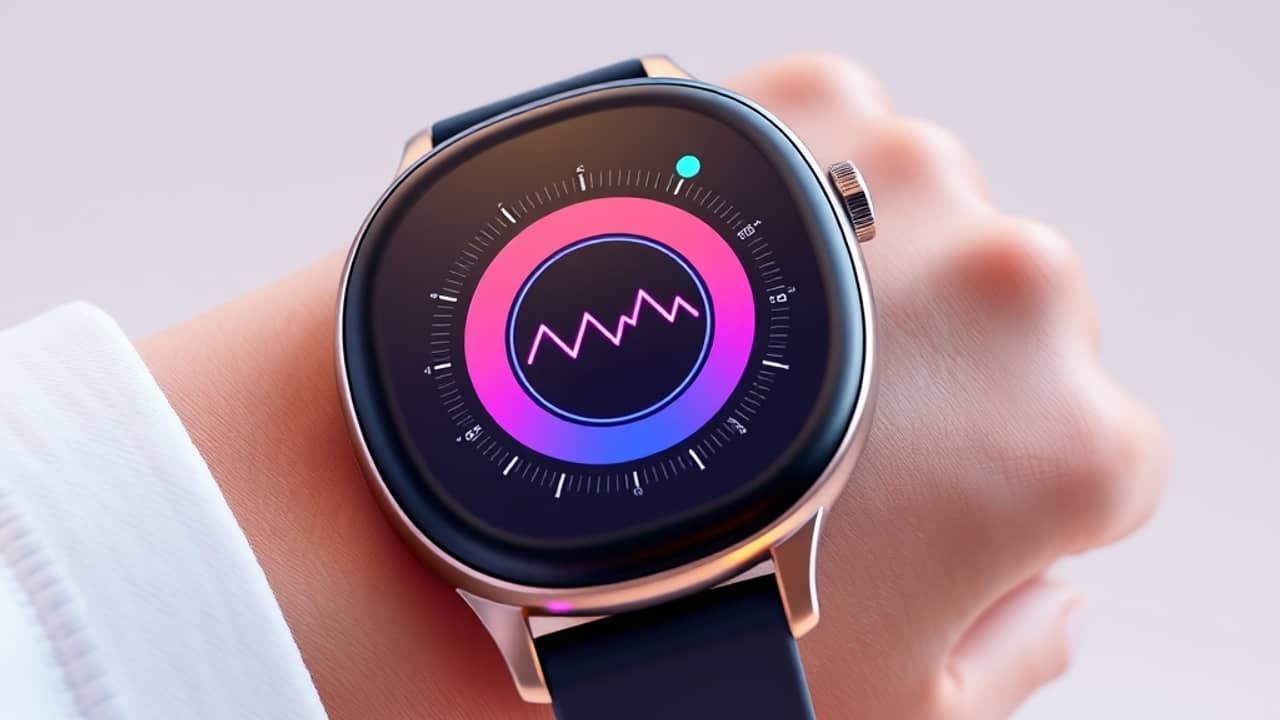
You went to bed at eleven, slept eight hours, and still feel tired. Your watch says your sleep score was 78. That's the moment a lot of people start wondering: what is my watch actually measuring, and what is it missing?
What your watch is actually tracking
Modern smartwatches collect a steady stream of small readings. A biosignal is just a fancy word for any signal your body gives off that a sensor can pick up. Heart rate, blood oxygen, skin temperature, movement, even tiny changes in sweat. Most of these readings are noisy on their own. A single heart rate number at 3 a.m. tells you very little.
What's changed is that AI is now being trained to look at thousands of those readings together, across days and weeks, instead of one number at a time.
How the AI actually reads you
Researchers at companies like Samsung have been working on health foundation models — large AI systems trained on huge pools of wearable data, the same way a language model is trained on huge amounts of text. The idea is that once an AI has seen enough patterns from enough people, it can spot meaningful changes in yours.
Think of it like this: you can tell a song is playing by hearing one note, because you've heard thousands before. A foundation model learns the "shape" of healthy sleep, normal recovery, and unusual stress — and then notices when your week stops fitting that shape.
That lets the AI do things simple rules can't. Instead of "your resting heart rate is 62," you might get "your resting heart rate has been climbing for nine days — your body might be fighting something off."
What kind of insights tend to show up
- Trends across days or weeks that you'd never notice in the raw numbers
- Connections between poor sleep, stress markers, and skipped workouts
- Early hints that something is off, before you feel symptoms yourself
What it doesn't do
These systems aren't doctors. They don't diagnose. A pattern that looks unusual to an AI can still be totally normal for you, or it can be a sensor reading glitch. Treat the suggestions like a friend who noticed something — worth bringing up, not the final word.
Wrap-up
Your watch has always had the data. What's new is an AI that can read it like a trained eye would — quietly, across days, connecting dots you wouldn't. You don't need to act on every nudge, but knowing it's there is reason enough to peek at your trends this week and see what it has already noticed about you.