 AI WORLD HQ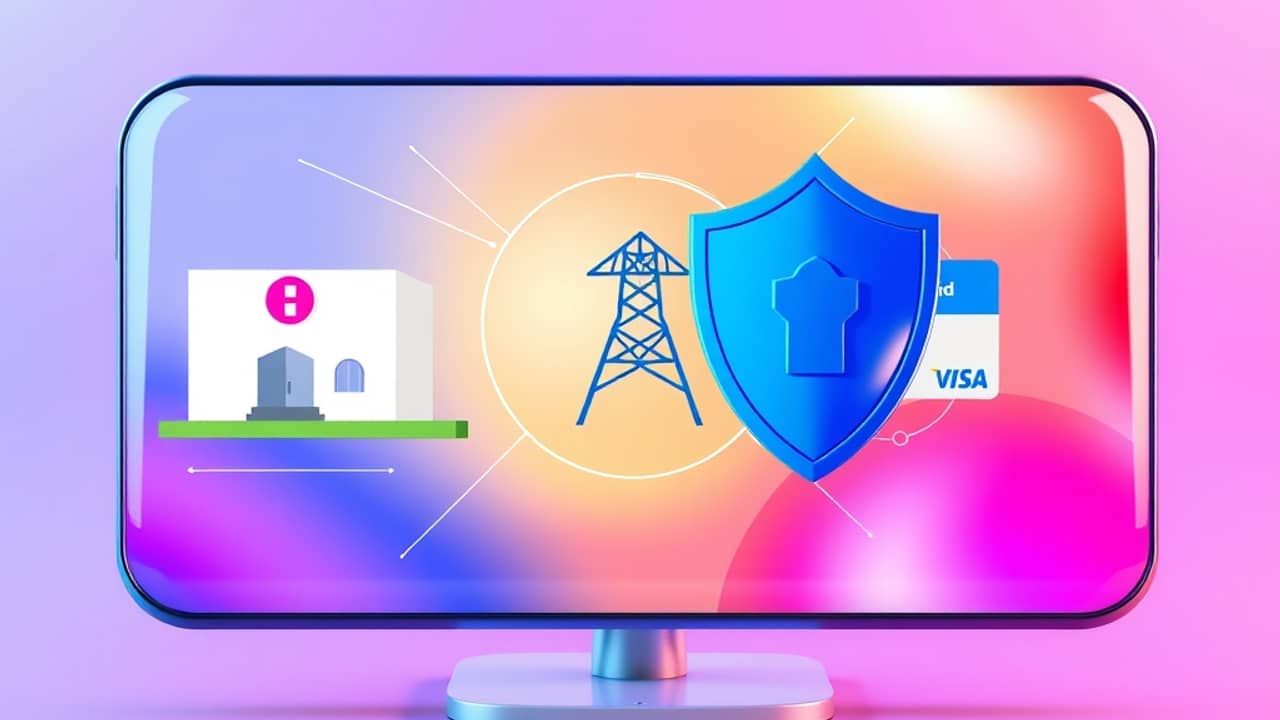
When you flip a light switch, swipe a credit card, or check an X-ray result at a hospital, you probably don't think about who's protecting those systems from being broken into. Someone is — and increasingly, that "someone" is an AI working alongside a human.
Why essential services need a different kind of defense
Essential services are the systems a city can't run without. Think hospitals, water treatment plants, electrical grids, and the networks that process payments. The people who run them are often called frontline defenders — IT staff (information technology, the teams that keep computer systems running) and security pros who are the first to see an attack coming in.
These defenders face a tricky problem. The number of cyberattacks — attempts by criminals or hostile groups to break into computer systems — has grown faster than the number of experts available to fight them. A single hospital might get thousands of suspicious emails a day. Reading each one carefully is impossible for any human team.
This is where AI has started to change the math.
How AI actually helps in a cyber defense role
Modern AI models are good at a few specific things that matter in cybersecurity:
- Reading huge amounts of text fast. An AI can scan thousands of logs (the automatic records a computer keeps of everything it does) in seconds and flag the ones that look unusual.
- Spotting patterns humans miss. A human might overlook a small, weird change in network traffic. An AI trained on past attacks can catch it.
- Explaining attacks in plain language. Some newer AI tools can take a technical alert and turn it into a sentence a non-expert can act on — for example: "Someone in another country tried to access the payroll file at 3 a.m."
Major AI companies and government programs around the world are exploring how to put these capabilities into the hands of the teams that need them most — often small hospitals, local utilities, and city governments with tight budgets and no in-house AI engineers. The exact initiatives and funding details change often, so it's worth checking current announcements if this affects you directly.
Wrap-up
Cyber defense isn't just a topic for spy movies. It runs in the background of nearly every online transaction and every hospital visit. The same kind of AI you're using to write an email or plan a trip is also, quietly, watching the door — helping make sure the lights stay on. You don't have to do anything new today — but the next time you hear about an AI security tool, you'll know what it does and why it matters.