 AI WORLD HQ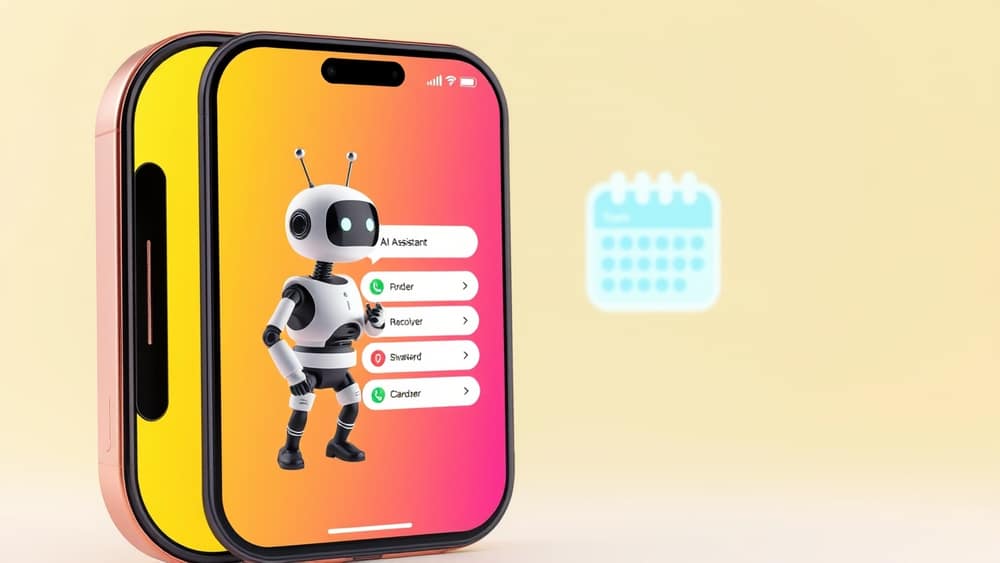
What AI Agents Are and How to Start Using Them Today
You’ve probably noticed your apps behaving a little differently lately. That quiet helper in your email or chat tool isn’t just suggesting replies anymore — it’s starting to take small tasks off your plate entirely. These new AI agents can now sort your messages, draft routine replies, update spreadsheets, and even keep track of project updates, all while you focus on the work that actually needs your expertise.
Think of an AI agent as a reliable teammate who lives inside your everyday tools. It doesn’t take breaks, ask for raises, or forget instructions. It just quietly follows your rules and handles the repetitive stuff so you can spend your energy where it matters most.
Here’s how to start using these agents today — no coding required.
Start with one small task
You don’t need to automate everything at once. Pick a task that feels like a daily chore and give it to your new AI coworker.
- Sorting your inbox: Set up a simple rule that tells your AI agent to flag messages from your manager with “Urgent,” move newsletters to a folder, and highlight anything with “Action Required” in the subject line.
- Drafting routine replies: Ask your AI agent to suggest responses to common client questions — you review, tweak if needed, and send.
- Cleaning up spreadsheets: Give your agent access to your data and ask it to remove duplicates, fill in missing values, or generate a quick summary of the last quarter’s sales.
Tip: Most modern AI agents work right inside tools you already use. Look for options like Microsoft Copilot in Outlook or Excel, Google’s AI in Workspace, or Slack AI for quick summaries of past conversations.
Give clear instructions — and check the first few results
AI agents work best when you tell them exactly what you want. Instead of vague requests like “Help me with this,” try being specific:
“Read my inbox, flag emails from the finance team with ‘Urgent’ in the subject, move the rest to the ‘Newsletters’ folder, and highlight anything with an attachment.”
Or:
“Summarise the key points from the client update in Slack channel #project-alpha and post it in #team-updates.”
The more precise your instructions, the better the agent performs. And always double-check the first few results to make sure the agent is on the right track.
Connect your agent to the tools you already use
The best AI agents don’t live in isolation — they connect to the apps you already rely on every day.
- Microsoft 365 Copilot: Works inside Outlook, Teams, and Excel to help draft emails, analyse data, and generate reports.
- Google’s AI in Workspace: Can summarise long email threads, create action items from meeting notes, and even draft documents.
- Slack AI: Lets you ask questions about past conversations and get instant summaries.
These tools are designed to feel like part of your workflow, not an extra step. Once connected, your AI agent can move between tools to get things done.
Wrap-up
AI agents aren’t here to replace you — they’re here to handle the repetitive stuff so you can focus on the work that needs your expertise. Start small, give clear instructions, and use tools that fit into your daily routine. Before you know it, you’ll have a quiet coworker doing the heavy lifting while you get on with what really matters. Try setting up one simple rule today and see how it changes your workflow.