 AI WORLD HQ
It's been a week of useful reality checks in AI. Instead of flashy announcements about robots that can do everything, we got clear answers to questions everyday people actually ask: Will AI really do my job for me? Can my boss see what I'm doing with AI? And why is AI suddenly on my phone? Here's what matters.
Most AI "Automation" Tools Aren't There Yet
A new study looked at nearly 700,000 AI tools and found something surprising: only a tiny fraction actually automate tasks end-to-end. Most still need human guidance at some point. This matters because companies constantly promise "set it and forget it" AI, but the reality is messier. For everyday users, it means you should be skeptical of tools that claim they'll do your work for you — and expect to stay involved in the process.
AI Is Now Protecting the Services You Depend On
You've likely heard about AI being used to launch cyberattacks. But here's what's less discussed: AI is also being used to stop them. Hospitals, power grids, and water treatment plants are using AI security systems to spot threats faster than human teams ever could. For you, this means the services you depend on — healthcare, electricity, clean water — are getting an AI-powered shield, even if you'll never see it.
Your Boss Might Be Able to See What You Do in AI Notebooks
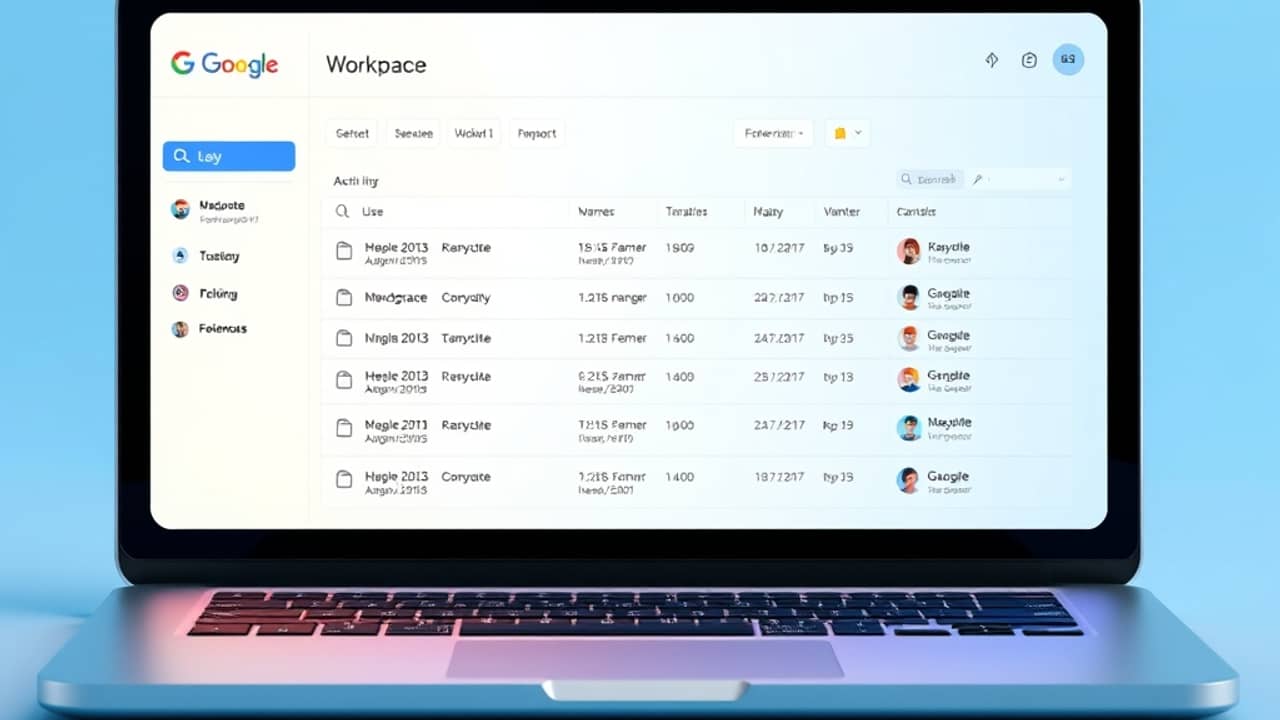
If you use Google's Gemini Notebook at work, there's something you should know: new audit logs let admins see how the tool is being used across their organization. That doesn't mean they're watching your every keystroke — but they can see patterns. This is important because as AI tools spread in workplaces, the line between "personal AI assistant" and "company-monitored tool" is getting blurry. Know what you're using for work versus personal tasks.
The Quiet Revolution in AI That's Making Your Phone Smarter
There's a shift happening in the AI world that's easy to miss: the biggest tech companies are moving AI onto your phone itself, not just running it in the cloud. These smaller AI models — called Small Language Models or SLMs — can work offline, save battery, and handle many tasks without sending data to distant servers. This means faster responses, better privacy for some tasks, and AI that works even when you have no internet connection.
AI Video Is Getting Cheaper — But Not the Way You Think
The big change in AI video isn't just that it's cheaper to make. It's that the expensive parts are changing. Traditional video production costs a lot at the start (equipment, crew, editing software). AI video flips that — the tool itself is cheap or free, but you may spend more time iterating and refining. For everyday creators, this means video is more accessible than ever, but the "work" of making it good has just moved to a different stage.