 AI WORLD HQ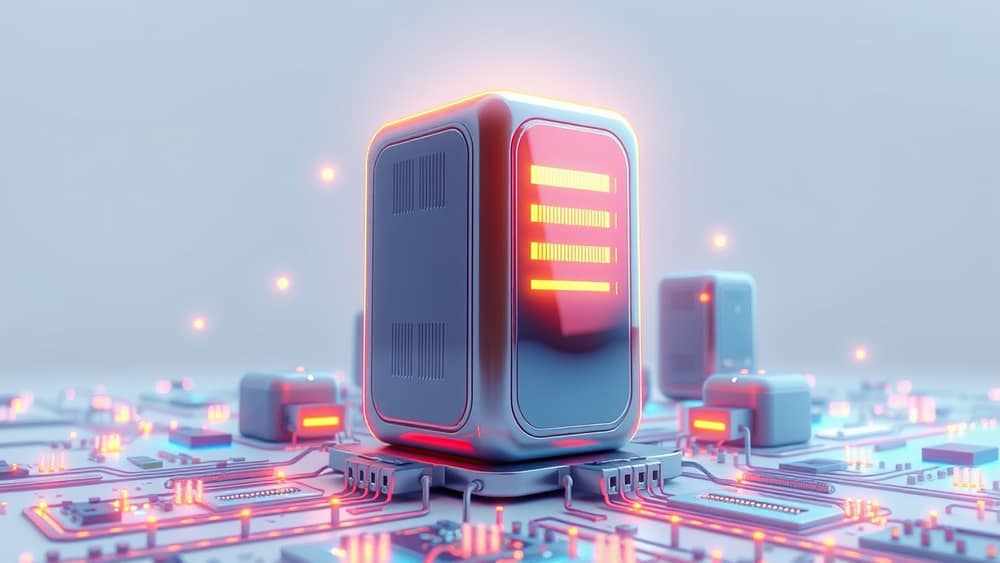
The Unseen Powerhouse: How AI's 'Engine Room' Makes Your Tools Smarter
Have you ever noticed your AI assistant getting a bit quicker, or suddenly able to do something new, like generate a short video or understand a really long document? That's often thanks to a powerful, unseen force working behind the scenes: the ever-growing "engine room" of AI.
The Power Behind the Prompt
Think of today's advanced AI tools – like the chatbots that help you write emails or the programs that create images from text – as incredibly smart brains. But even the smartest brain needs a lot of energy and space to operate, especially when it's processing huge amounts of information or performing complex tasks. This is where AI infrastructure comes in.
AI infrastructure refers to the specialised computer hardware, networks, and data centres – often massive buildings filled with powerful machines – that provide the immense computational power (the ability to process information very quickly) needed to train, run, and scale artificial intelligence models. It's the physical foundation that makes all the AI magic happen. Without it, those smart AI brains wouldn't have the "muscles" to get things done quickly and efficiently.
Why More Power Means Better AI
Just like a faster car engine helps you get to your destination quicker, more powerful AI infrastructure directly translates to better AI tools for you. Here's how:
- Faster Responses: The more computational power available, the quicker AI models (the underlying programs that make AI work) can process your requests and generate answers or content. This means less waiting for your chatbot to respond or for your image generator to finish its work.
- More Complex Tasks: With greater processing capabilities, AI can handle more intricate instructions and larger datasets (collections of information). This allows for things like summarising entire books, generating longer and more coherent videos, or performing deep analysis on vast amounts of information – tasks that would be impossible or incredibly slow with less powerful systems.
- New Capabilities: As infrastructure grows, developers can train even larger and more sophisticated AI models. This unlocks entirely new features and applications we haven't even imagined yet, pushing the boundaries of what AI can do. Think about how quickly AI went from basic chatbots to generating realistic photos and voices.
In essence, the ongoing expansion of this hidden AI engine room isn't just a technical upgrade; it's what enables the continuous evolution of AI, making the tools you use every day smarter, faster, and capable of more impressive feats.
Wrap-up
While you might never see the physical hardware or understand the complex networks, the continuous build-out of AI infrastructure is a fundamental driver of AI innovation. It's the silent force making your AI tools more powerful, efficient, and versatile. So, the next time an AI tool surprises you with its speed or a new capability, remember the unseen engine room making it all possible. Why not explore a new AI feature today and experience this advancement firsthand?