 AI WORLD HQ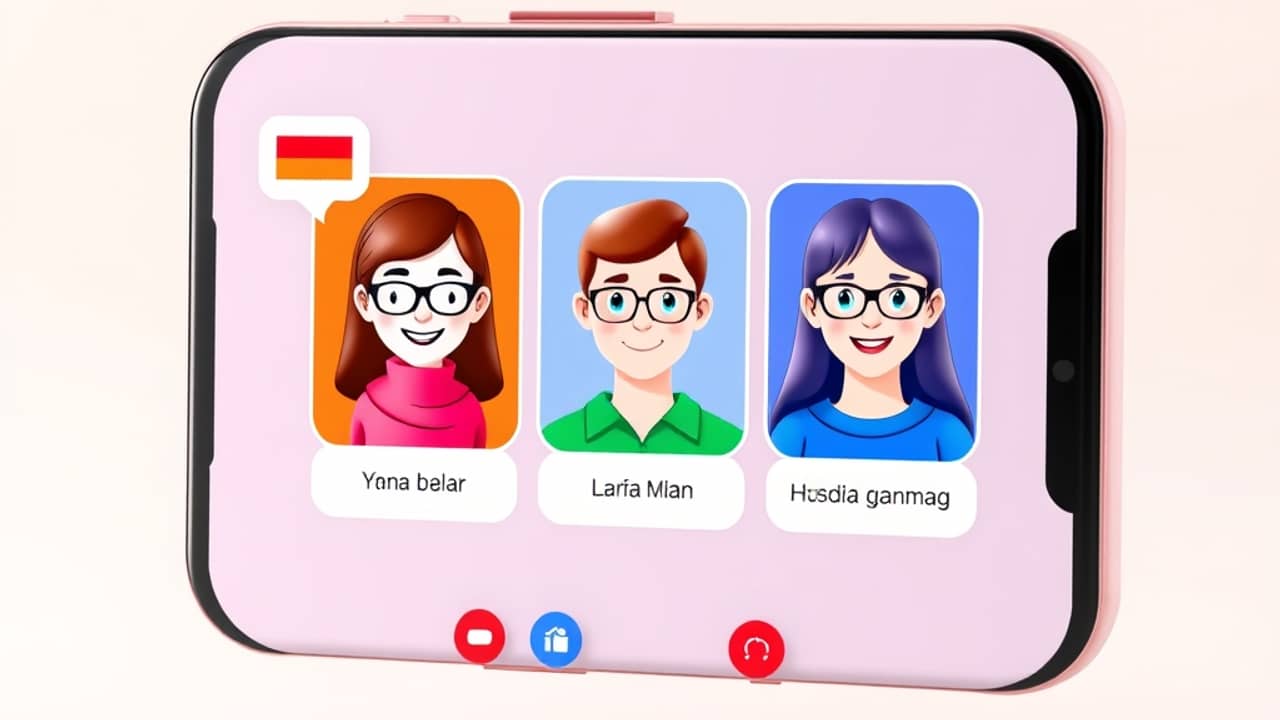
Picture a work call with three colleagues. One speaks Spanish, one Mandarin, one English. A year ago, a live translator would flatten their words into a single stream of text and you would lose track of who said what. The next wave of tools — being explored by several AI labs — aims to keep the speaker labels intact, so "Maria said…" and "Wei said…" survive the translation.
What "speaker-aware" actually means
Speaker-aware translation is a relatively new direction in AI translation tools. It means the system tries to figure out who is talking in a multi-person conversation and label the translated output accordingly, instead of dumping everything into one running paragraph.
The second part of the pitch — "carries the meaning" — is about preserving tone, intent, and context, not just swapping words. A polite refusal in Japanese should still sound like a polite refusal in English, not a blunt "no."
Under the hood, this combines a few pieces of AI working together:
- Speech recognition — turning the audio into text (the same tech that powers voice typing).
- Speaker diarization — identifying which voice belongs to which person. Think of it like the AI drawing a colored box around each speaker in its "mind."
- Machine translation — converting the words to the target language.
- A large language model (LLM) — the kind of engine behind ChatGPT — that smooths the result so it sounds natural and keeps the speaker's intent.
Where this helps in real life
The most obvious win is international meetings. If you have ever sat through a video call where half the attendees speak another language, you know the awkward pause while everyone waits for the translator to catch up. Speaker-aware tools reduce that friction by making the transcript easier to follow.
It also helps in multilingual families and friendships. Group chats, family video calls, even a dinner table where grandparents prefer their native language — labeling who said what keeps the conversation human.
Travelers benefit too, especially in places where reading signs or menus is hard and pointing at a phone no longer feels like enough.
Limits worth knowing
This technology is impressive in demos, but as it moves into real products, it still has rough edges:
- Accents and noisy rooms reduce accuracy. A café with music in the background can confuse the speaker detection.
- Code-switching — when people mix two languages in the same sentence ("let's go mañana, okay?") — is still hard for most systems.
- Privacy matters. Sending live audio to an AI service means your conversations are processed on someone else's servers. If you discuss anything sensitive, check the tool's data policy first.
- It is not a replacement for a human interpreter in legal, medical, or high-stakes business settings. Use it as a helper, not a final authority.
Wrap-up
Speaker-aware live translation is moving from research demos into something you may soon use in everyday tools. It will not replace human interpreters for serious work, but for everyday multilingual moments — calls, family, travel — it points to a quiet leap forward. Keep an eye out as it rolls out in the apps you already use, and try a small test conversation with a friend to see whether the speaker labels actually make your next multilingual moment easier to follow.