 AI WORLD HQ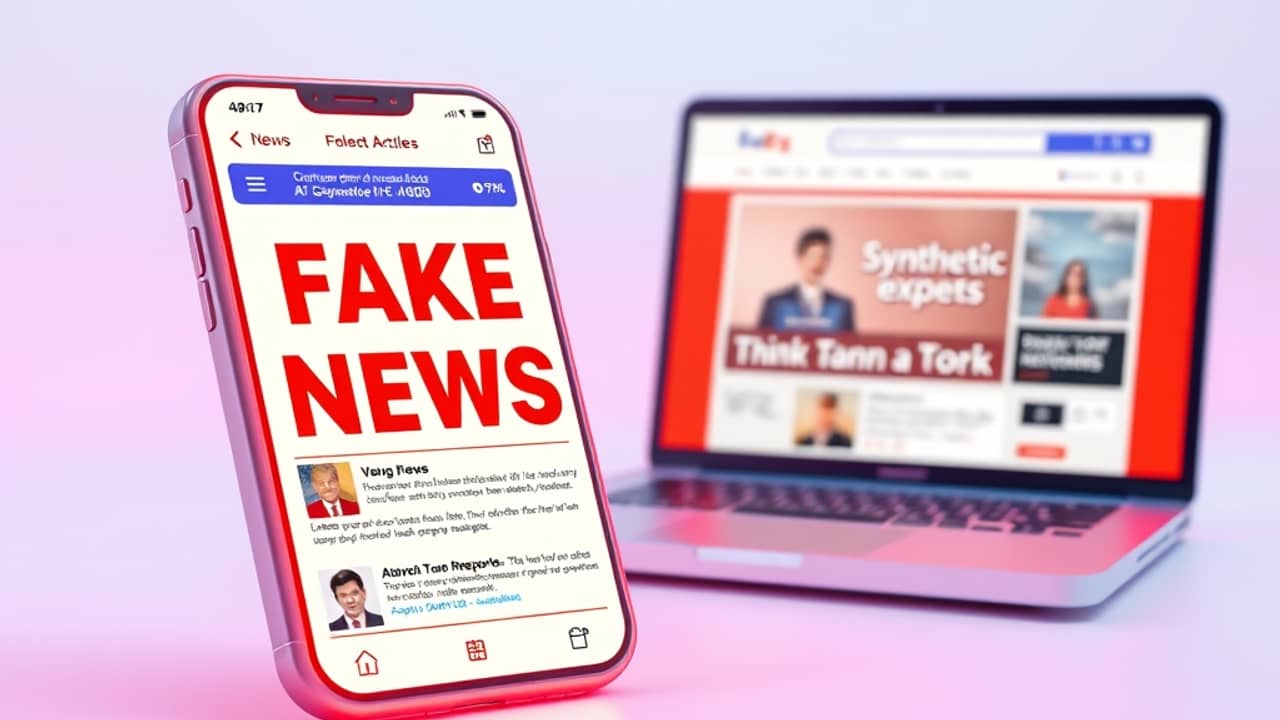
You probably saw a news link this week that looked legitimate. Maybe a "reporter" on a small outlet shared a sharp take on a current conflict. Maybe a "policy expert" at a "think tank" was quoted on something you already felt strongly about. Maybe you didn't think twice about it.
That's exactly the kind of work OpenAI says it just disrupted.
What OpenAI says it found
According to OpenAI's announcement, the company identified and took down two influence operations — coordinated campaigns designed to shape what people think about world events. What made these different was the use of AI to build the false fronts (fake online identities and organizations that look real at first glance) the campaigns relied on.
One operation posed as a network of journalists. It created the kind of articles, profiles, and online outlets that, at a glance, look like a small but real newsroom.
The other set up a think tank — a research-style organization that publishes reports and commentary to influence policy debates. According to OpenAI, the think tank wasn't real; it was a false front the operation used to look legitimate.
Both operations pushed geopolitical messaging — content designed to shape opinions about international affairs.
Why AI makes this different
Coordinated disinformation isn't new. What's changed is the cost. AI lets a small group produce in a day what used to take a team of writers, researchers, and designers weeks. It can write in many languages, generate profile pictures for fake "staff," and build plausible-looking websites.
The result is more volume, more polish, and a lower chance that any single piece will trip your suspicion.
Wrap-up
OpenAI disrupting two operations doesn't end the problem — it spotlights it. As AI gets cheaper and easier to use, these campaigns will keep coming. The good news is that a few small habits — checking who is actually behind what you read, searching for the experts cited, pausing on emotionally charged stories — go a long way. Pick one news story you saw this week and run one of those checks on it. You'll be doing more media literacy than most people do in a year.