 AI WORLD HQ
How to Use Physical Security Keys with Your Work Computer
Add a second layer of protection to your Windows work computer using a physical key you carry with you.
Hook: Imagine losing your work password tomorrow. Now imagine a thief can’t get past your screen even if they know it. Physical security keys give you that extra shield. This guide shows you how to set one up on a Windows work computer in under ten minutes, using Google’s free tool.
💡 Tip: tap a step’s number when you finish it — a green tick appears and your browser remembers how far you got.
- A Windows 10 or 11 work computer you can restart once.
- A USB-A or USB-C security key (YubiKey, Google Titan, or similar; about $30–$50).
- A free Google account (Gmail, Workspace, or personal).
- Five minutes of quiet time and one restart.
Restart your computer to clear old sessions
Restart your Windows computer completely. This closes any lingering work apps and ensures the new security layer starts fresh. If your computer is managed by your workplace, ask your IT team before restarting; some updates need scheduling. You’ll know it worked when the screen shows the Windows login prompt again.
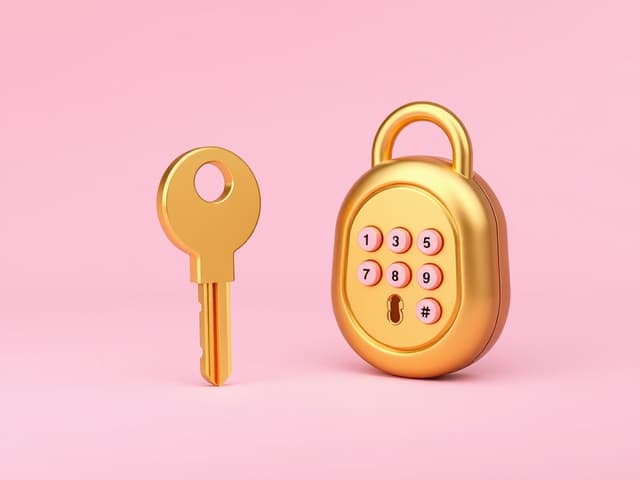
Plug in your security key and open Chrome
Insert your USB security key into any available port. Open the Chrome browser on the computer. If Chrome isn’t installed, use Edge or Firefox; the steps are almost the same. You’ll know it worked when you see the Chrome window open and your key lights up briefly.

Visit the Google Credential Provider setup page
Type this address exactly into Chrome’s address bar and press Enter:
https://accounts.google.com/credentialprovider
You’ll see a page that says “Set up security key for Windows.”
If the page doesn’t load, look for a button like “Try again” or check your internet connection.
You’ll know it worked when the page shows the Google logo and a heading “Add a security key.”

Sign in with your Google account
Click the “Sign in” button on the page. Enter the email address you use for work and your current password. If you see a prompt to allow Google to access your security key, click “Allow.” If you get an error, double-check your email spelling and password; reset your password if needed. You’ll know it worked when the page shows your name and asks you to “Register a new key.”

Name your key and tap it to register
Type a short name for your key, like “Work YubiKey” or “Titan Key.” Click “Next.” Now remove the key from the port, reinsert it, and tap the metal contact on the key when prompted. If your key doesn’t have a metal contact, look for a button you can press. You’ll know it worked when the page shows “Key registered” and offers to “Set as default.”

Set the key as your default second factor
On the same page, find the option “Use this key as default for sign-in” and turn it on. Click “Save.” If the option is greyed out, your workplace may require extra steps; ask IT for help. You’ll know it worked when the page confirms “Default key set” and shows a green checkmark.

Test the key on the login screen
Restart your computer once more. At the Windows login screen, type your password as usual. Instead of a code sent to your phone, you’ll now see a prompt: “Tap your security key.” Remove the key from the port, reinsert it, and tap the contact when prompted. If the prompt doesn’t appear, look for a small USB icon or “Security key” link below the password field. You’ll know it worked when Windows logs you in automatically after the tap.

- Mistake: Forgetting to restart after setup. Fix: Restart once more to clear cached sessions; otherwise the key won’t trigger.
- Mistake: Using the wrong Google account. Fix: Sign out and sign back in with the exact email your workplace uses for logins.
- Mistake: Pressing the key too early or too late. Fix: Wait for the on-screen prompt to appear before tapping; the key only works when asked.
Unplug your key, close all browsers, restart your computer, and log in using only your password and the key tap. If it works, you’re done!
❓ Quick questions
How long does this take?
About 6 minutes — the guide has 7 steps, and you can tick each one off as you go.
Which tool do I need?
This guide uses Google Credential Provider for Windows — but the approach works very similarly in other AI assistants.
Do I need to prepare anything?
- A Windows 10 or 11 work computer you can restart once.
- A USB-A or USB-C security key (YubiKey, Google Titan, or similar; about $30–$50).
- A free Google account (Gmail, Workspace, or personal).
- Five minutes of quiet time and one restart.
What mistakes should I avoid?
- Mistake: Forgetting to restart after setup. Fix: Restart once more to clear cached sessions; otherwise the key won’t trigger.
- Mistake: Using the wrong Google account. Fix: Sign out and sign back in with the exact email your workplace uses for logins.
- Mistake: Pressing the key too early or too late. Fix: Wait for the on-screen prompt to appear before tapping; the key only works when asked.
Keep reading
📬 The week’s AI, in your inbox
One friendly email every Sunday — the 5 stories that mattered, in plain English. No spam, unsubscribe anytime.
✦ Original step-by-step guide by AI World HQ's AI editorial team. Written in plain language, reviewed for accuracy.
← Back to all stories