 AI WORLD HQ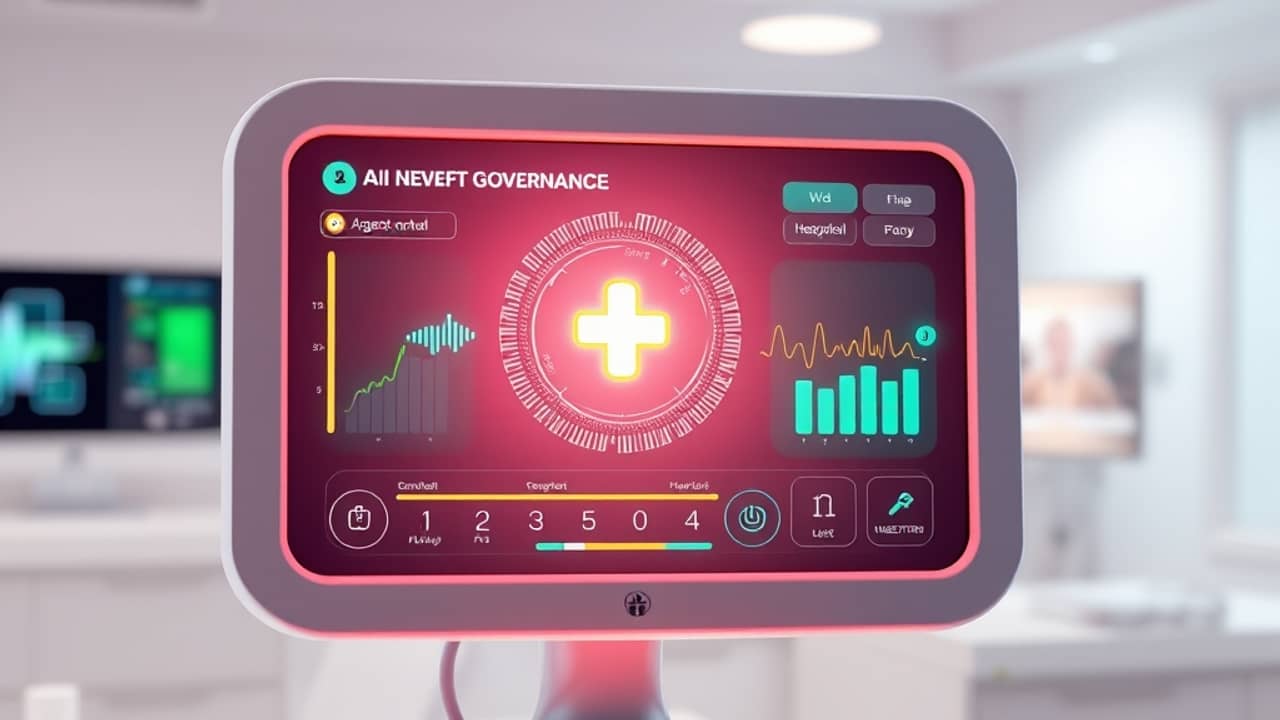
When you ask a regular chatbot a question and it gets something wrong, the worst that usually happens is a wasted minute. In healthcare, an AI mistake can change someone's life. That gap — between casual AI use and high-stakes AI use — is exactly what a new generation of "AI governance" tools is trying to close.
Why healthcare AI is different
Most AI tools today are general-purpose. You can ask them to write an email, summarize a meeting, or explain a recipe. They're useful, but their mistakes are usually small. According to Concurrence's announcement, "healthcare AI has little margin for error" — meaning a wrong answer isn't just inconvenient, it can be dangerous.
The announcement focuses on AI agents that help coordinate patient care. An "agent" here means an AI that can take actions on its own — not just answer questions, but actively help coordinate workflows across different systems. That's powerful, but also risky: the more an AI can do on its own, the more careful you have to be about what it does and when.
What Concurrence is building
The company says its tool, called Unity Gateway, is designed to govern these clinical AI systems at what it describes as "trillion-token scale." A "token" is just a small chunk of text the AI reads at a time — roughly four characters — so trillion-token means the tool is meant to handle enormous amounts of AI activity without losing track of what's happening.
Governance, in this context, means setting rules, watching what the AI is doing, and stopping it if it steps outside those rules. Think of it less like a chatbot and more like an air traffic control tower — the goal isn't to fly the planes, but to make sure none of them collide. Concurrence says this kind of oversight is what makes it possible to run AI agents in healthcare at the scale hospitals need.
Wrap-up
Healthcare AI won't succeed on raw intelligence alone. The harder, less glamorous work — the rules, the monitoring, the guardrails — is what decides whether it actually helps people. Tools like Unity Gateway are an early attempt to make that oversight work at scale, according to Concurrence. A practical next step: next time you see a story about AI in a hospital or clinic, ask the same question — who is watching the AI, and what happens when it makes a mistake?