 AI WORLD HQ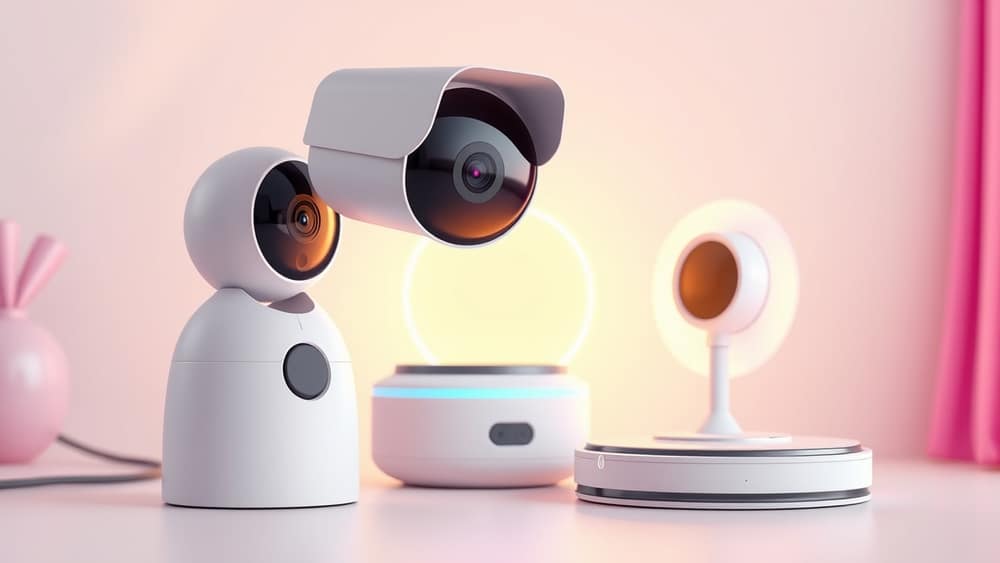
Giving Everyday Devices 'Eyes': Understanding Edge AI Vision
Imagine your home security camera not just recording, but actively understanding if a package has arrived, or a small device in your office automatically sorting items by recognising them. This isn't just for big tech companies anymore. Recent advancements mean everyday devices can now gain a form of "sight" and intelligence, opening up new possibilities for automation in our homes and small businesses.
The Rise of Edge AI Vision: What's Happening?
For a long time, if a computer needed to "see" and understand something (like identifying an object in a photo), it usually sent that information to powerful servers far away on the internet – often called "the cloud." These servers would do the heavy lifting of artificial intelligence (AI) processing and send the results back.
However, a significant shift is underway: Edge AI. This is when the AI processing happens directly on the device itself, at the "edge" of the network, rather than in the cloud. Think of it like a smart device gaining its own compact brain. What's making this possible now? Smaller, more energy-efficient computer boards, like the Nvidia Jetson Nano, have become powerful enough and affordable enough to handle complex AI tasks. Paired with easier-to-use software tools, this means AI vision is no longer just for labs or massive data centres; it's becoming accessible for practical, everyday applications.
This local processing offers big advantages: incredible speed (no internet delay), enhanced privacy (your data doesn't leave your device), and reliability (it works even without a Wi-Fi connection).
How These 'Smart Eyes' Work
At its core, edge AI vision involves two main things:
- The 'Eyes' (Camera): This is simply a camera, much like the one on your phone or a webcam, that captures live images or video of the environment.
- The 'Brain' (Compact AI Computer): This is the small computer board designed to run AI tasks. It receives the visual feed from the camera.
Inside this "brain," specially designed software runs an AI model (a program trained to recognise patterns). This model has already "learned" to identify various objects, shapes, or movements by being shown countless examples. So, when the camera sees a cat, the AI model on the device immediately processes that image and recognises "cat," without needing to ask a distant server for help. The device can then be programmed to react to what it sees – perhaps sending you an alert, or activating another function.
Everyday Impact: Where You Might See (or Build) This
Once a device can "see" and understand its environment, the possibilities multiply for making daily life more efficient:
- Smart Security and Monitoring: Your outdoor camera could identify specific animals entering your garden and deter them, or detect if a family member has arrived home, sending you a notification.
- Automated Sorting and Organisation: In a small home office or workshop, a simple camera-equipped device could recognise different types of packages or parts and direct them to the correct bins.
- Assisted Living Aids: A system could monitor for falls or unusual activity in a senior's home, alerting carers if an emergency occurs, enhancing safety and peace of mind.
- Interactive Art or Displays: Imagine a screen that changes its content based on who is standing in front of it, or a garden monitoring device that identifies specific plants or weeds.
Each of these examples builds on the core concept: a camera captures visual data, an AI model on a compact computer processes it, and then the device takes a specific, helpful action.