 AI WORLD HQ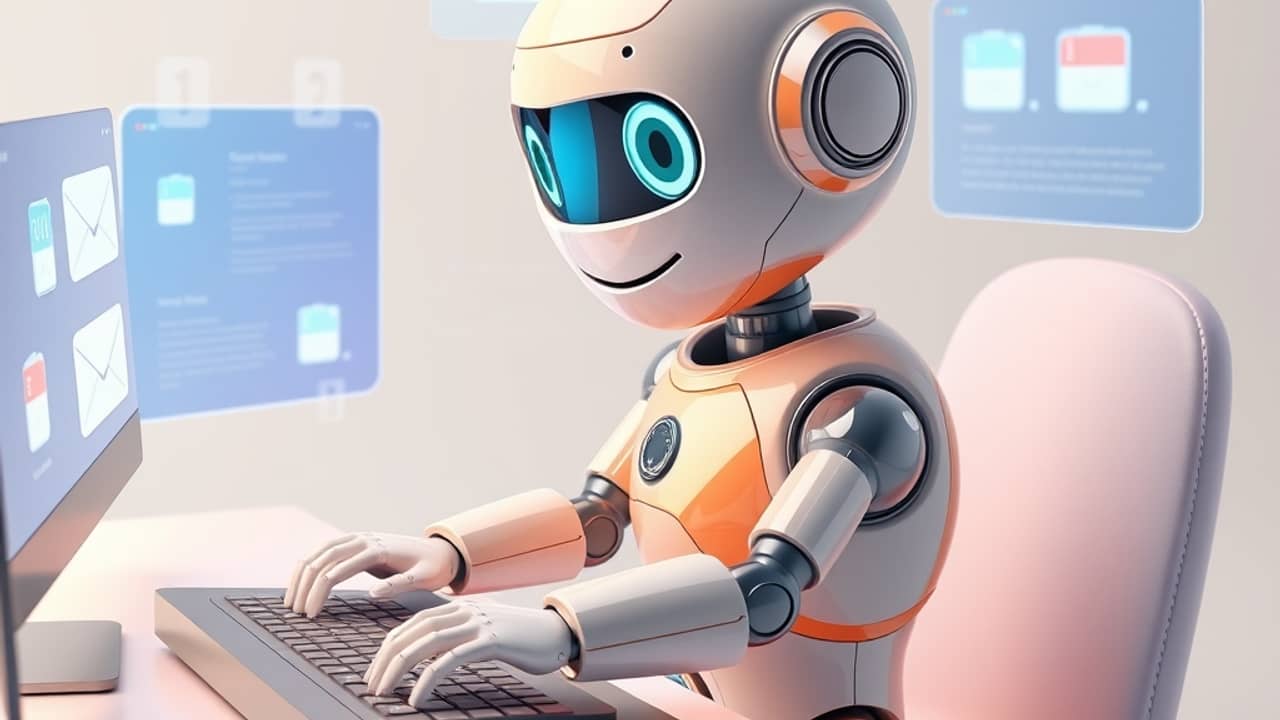
You've asked a coworker to "handle the email thread" or "take care of the scheduling," then gone back to your real work. That feeling of trust — letting someone else carry a small task start to finish — is exactly what a new wave of AI tools is starting to copy.
For most of the past few years, AI assistants worked one question at a time. You typed a prompt (your instruction to the AI), got a reply, then had to copy the answer somewhere yourself. The AI didn't actually do anything in the outside world — it just talked.
That's starting to change.
What "end-to-end" actually means
When a tool says it handles work "end-to-end," it means the AI can carry a task from the first step to the last without you driving every click. Think of the difference between:
- A calculator — you type the numbers, it gives you an answer. You do everything else.
- A tax preparer — you hand them a folder of receipts, and they build the whole return. You check the final result.
An end-to-end AI agent is closer to the second one. You describe the goal, and the AI breaks it into steps, talks to other apps through what tech folks call an API (a way for programs to hand work to each other), and reports back when it's done.
In practical terms, an end-to-end agent might:
- Read incoming messages, draft replies in your voice, and queue them up for your approval.
- Watch a list of running software, notice when something looks wrong, and open a fix-or-flag note on its own.
- Plan a project, write a short brief, send it to your team, and add the next steps to your calendar.
These are not science-fiction promises. They are the kinds of tasks that companies are now testing in real workplaces.
Where the human still matters
Even when an AI agent handles the whole loop, it usually checks in with you at two key moments:
- Before big or irreversible actions. Sending a chat message internally? Probably fine. Sending an email to a customer? Most agents will pause and ask, "Look okay?"
- When something looks off. If the AI isn't sure, it stops and surfaces the question instead of guessing.
The shift you may have noticed is how often the AI checks in. Older tools pinged you every few steps. The newer ones often wait until the work is finished — or until they hit something they can't decide on.
That sounds great, but it raises a real question: how much do you trust the AI to be right before you see its work?
Wrap-up
End-to-end AI agents don't replace the work you do — they change the shape of it. Less time typing instructions, more time checking the result. Pick one small workflow you repeat every week and try handing it to an AI assistant with clear instructions and a check-in at the end. The first run is the teacher.