 AI WORLD HQ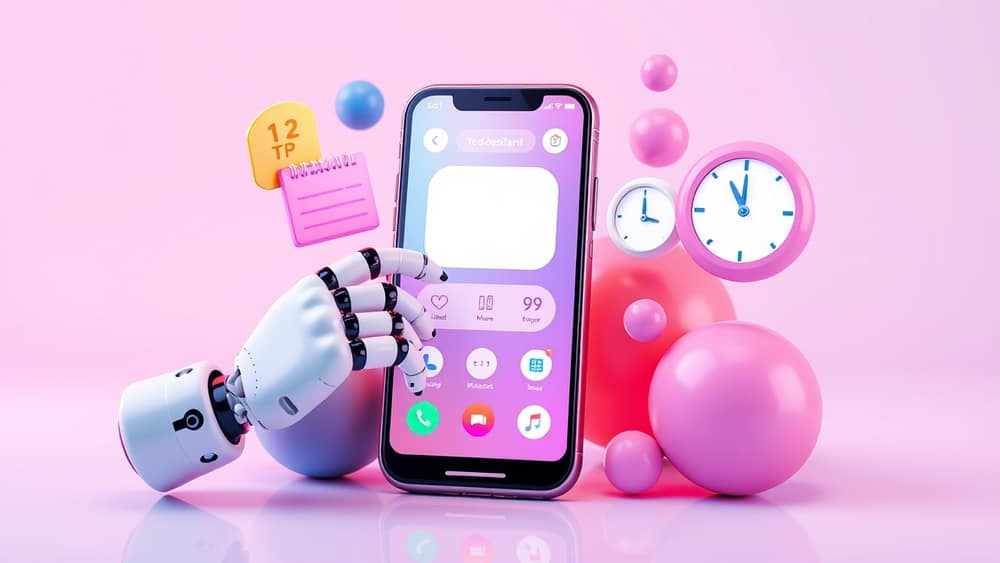
Beyond Chat: How AI Agents Are Becoming Your Digital 'Doers'
Imagine an AI that doesn't just answer your questions but actually does things for you – booking appointments, organising your digital files, or even interacting with other programs. This isn't science fiction anymore; it's the rise of "AI agents," and they're set to transform how we interact with technology.
What are AI Agents?
Up until now, many of us have used AI mainly for generating text, brainstorming ideas, or getting quick answers (think ChatGPT). These AIs are brilliant at processing information, but they typically wait for your next instruction.
An AI agent is different. Think of it as an AI that can plan and take action to achieve a goal, rather than just respond to a prompt (the instruction you give to the AI). It acts like a digital assistant that can not only understand what you want but also figure out the steps to get there, use various digital tools (like your calendar or email app), and execute those steps. It's moving from being a helpful chatbot to being a proactive 'doer'.
Sometimes you'll hear the term "physical AI," which refers to AI agents that interact with the real world – for example, a robotic arm in a factory or a smart home system adjusting your thermostat based on your routine. For everyday people, the immediate impact will largely be from digital AI agents that work across your apps and computer.
How these digital 'doers' work
At its heart, an AI agent relies on a few key abilities:
- Goal Setting: You give it a high-level task, like "Find me the best flight to Perth next month and book it."
- Planning: The agent breaks down that big goal into smaller, manageable steps – "first, search for flights," "then, check prices," "then, compare airlines," and so on.
- Tool Use: It can then access and use various digital tools and applications. This might mean interacting with a flight booking website, sending you an email, or updating your calendar.
- Memory and Learning: Throughout the process, it 'remembers' what it's done and learns from its successes and failures, getting better at completing similar tasks over time. If a step fails, it can often figure out an alternative approach.
This ability to plan, use tools, and learn means the AI can tackle more complex, multi-step tasks without you needing to guide it through every single click or command.
Practical ways AI agents could help you
So, what does this mean for your everyday life?
- Streamlined Scheduling: Imagine an AI agent managing your calendar, scheduling meetings by coordinating with attendees, sending out invites, and even booking the right video conferencing tool – all from a simple command.
- Automated Research: Need to prepare for a presentation? An agent could gather information from multiple online sources, summarise key points, and even draft an outline for you, looking up facts and figures across the web.
- Smart Home Management: On the 'physical AI' side, an agent could learn your home routines – adjusting lights, heating, and even ordering groceries when supplies are low, based on your consumption patterns.
- Digital Decluttering: An agent could sort your emails, organise your cloud storage, and even clean up your computer's downloads folder, moving files to the correct project folders.
These examples show how AI is evolving to handle more of the mundane, repetitive tasks that eat into our time, freeing us up for more creative or important work.
Wrap-up
The move towards AI agents means our digital tools are becoming more intelligent and autonomous. Instead of just talking to an AI, you'll increasingly have AIs working for you, carrying out tasks and orchestrating digital workflows. It's a significant shift that promises to save you time and streamline your digital life. The best way to understand this is to try it – look for the 'action' features in the AI tools you already use, and give them a simple, multi-step task to try and complete.