 AI WORLD HQ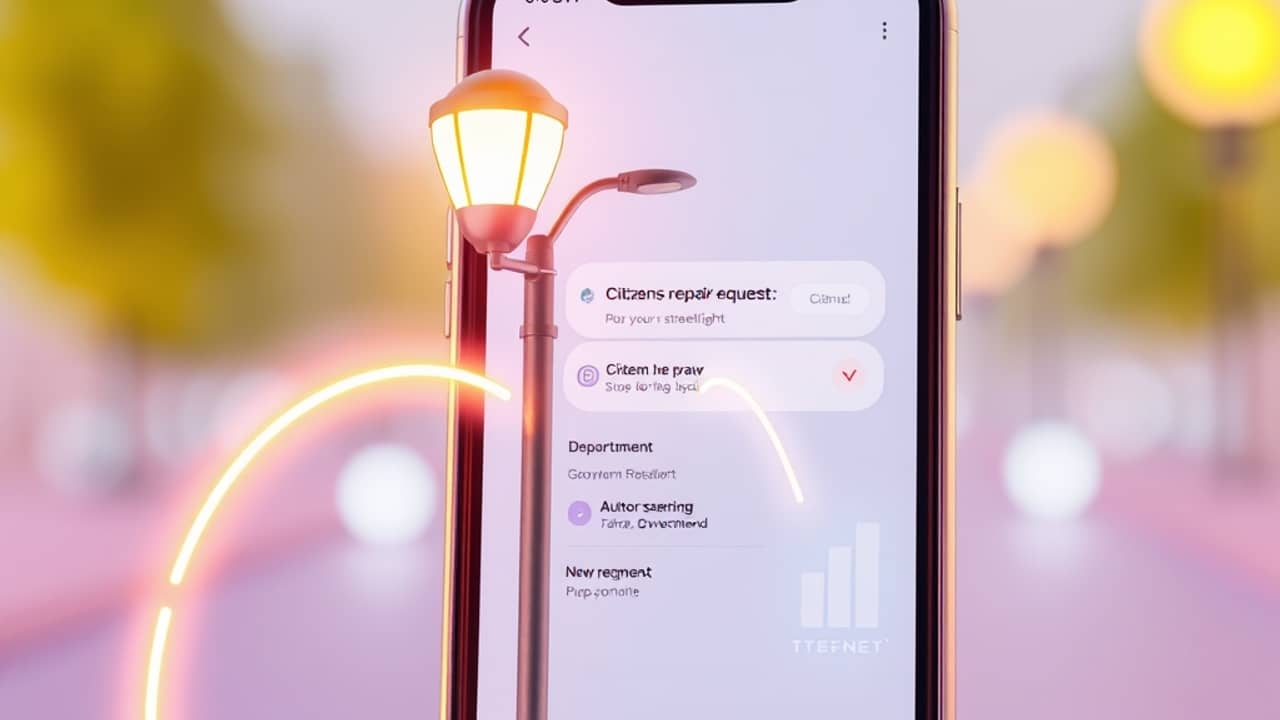
You file a request with your local administration — say, a broken streetlight, a missing document, a question about benefits. Today, that request might bounce between departments, sit in an inbox, or get answered in pieces. According to a recent announcement, AI is being positioned to handle that whole flow from start to finish.
What the announcement actually says
The headline of the announcement is "The Next Leap in Public Services Starts Behind the Scenes," and its core claim is simple: AI can turn a citizen request into coordinated action across an administration.
In plain language, the idea is this. A person submits a request — by phone, online form, email, or in person. An AI system reads it, figures out what's being asked, identifies which departments need to act, and routes the work accordingly. According to the announcement, this happens "behind the scenes," meaning the citizen doesn't need to know which office handles which piece of the puzzle.
That is the announcement's framing — not a confirmed rollout, and not a product you can sign up for today.
Why this idea matters
Most people who have dealt with a government office have felt the friction. You explain your situation once. Then again. Then a third person asks the same questions. According to the announcement, the goal is to remove that repetition — not by making citizens smarter about bureaucracy, but by making the system smarter about them.
In practical terms, the announcement suggests three things an AI layer could do:
- Read the request in any format — a written message, a voicemail, a form, even a chat conversation — and pull out what the person actually needs.
- Match it to the right teams — automatically, instead of relying on the citizen to guess which department to contact.
- Track the work in one place — so the person doesn't have to follow up with five different offices to find out what happened.
None of these are new ideas on their own. What's new, according to the announcement, is the claim that AI can do all three together, in real time, across a whole administration.
What's still unclear
A few important details are not in the announcement, and it's worth being honest about that:
- Which country, city, or agency is involved.
- Whether a working system exists yet or this is a vision.
- How personal data is handled when an AI reads every citizen message.
- What happens when the AI gets the routing wrong.
If you're wondering whether this is something you can use today — it isn't, based on what's been shared. It's a direction, not a deployment.
Wrap-up
The announcement paints a picture of AI as a quiet coordinator inside government — reading requests, routing work, and keeping things moving without the citizen having to play middleman. The details are still thin, and there's nothing to sign up for yet. A useful next step today: the next time you file a request with any public office, ask them how they currently track it — that's the workflow any future AI will have to slot into.