 AI WORLD HQ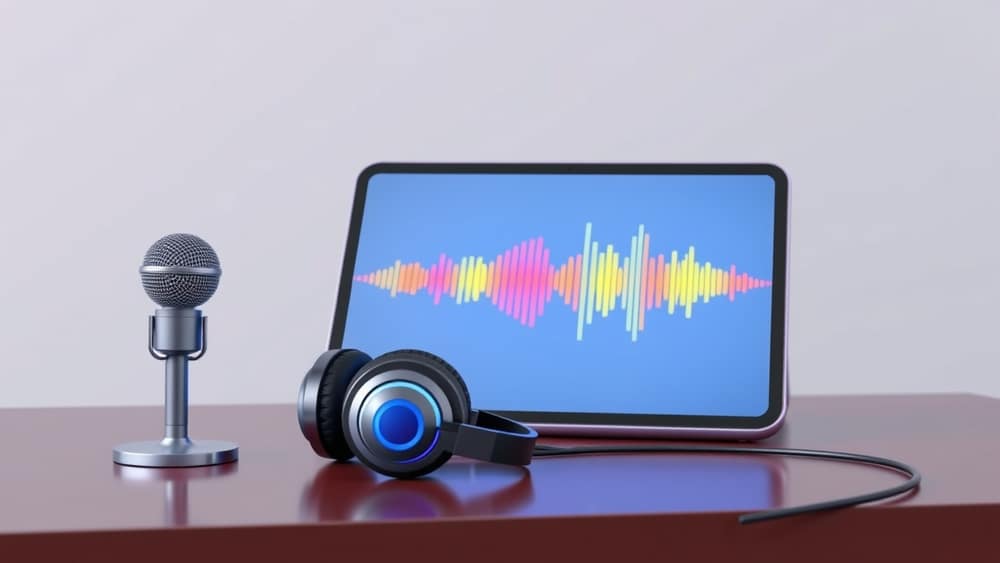
AI Voice Cloning for Accessibility: What Everyday People Should Know
Imagine you lose your voice tomorrow. Not from a cold — for good. The next time you want to say "I love you", order a coffee, or answer the phone, the words just won't come. For thousands of people living with conditions like ALS (a progressive disease that gradually weakens the muscles, including those used for speaking), this isn't a thought experiment. It's daily life. And it's why a quiet revolution in AI voice technology matters to all of us.
What AI voice cloning actually is
Voice cloning is when an AI learns to copy a specific person's voice. You feed the system recordings of someone talking — even short clips — and the AI builds a digital model of how they sound. After that, the person can type a sentence on a screen, and the AI says it out loud in their voice, with their tone and rhythm.
Think of it like a piano. The piano doesn't know what song you want to play — but once you press the keys, it produces the music you chose. AI voice cloning works the same way: the AI is the instrument, the typed words are the keys, and the voice it produces sounds like a real person.
Why this matters beyond the tech world
Most of us only think about AI voices when we hear about scams — those fake phone calls from "your bank" or relatives who "need help urgently". And yes, voice cloning can be misused, which we'll get to.
But the original reason this technology exists is far more human. For people who are losing — or have already lost — the ability to speak, a cloned voice isn't a gadget. It's a way to keep saying things the way they would have said them. It preserves the laugh, the accent, the little pauses. It means a grandchild can still hear their grandmother's voice on a birthday video. It means a person can crack a joke at dinner instead of pointing at letter cards.
How it actually works for someone who needs it
The setup usually looks like this:
- Before speech is lost, the person records a bank of phrases — anything from "hello" to favourite stories. These recordings teach the AI their voice.
- Later, when they can no longer speak, they type on a tablet or use an eye-tracking device (a camera that follows where you look, so you can "type" by blinking at letters).
- The AI speaks the words in their recorded voice, in real time.
The magic isn't just that it talks. It's that it talks like them. A flat, robotic voice gets the job done. But a familiar voice — one that sounds like the person you remember — carries emotion, identity, and connection.
Wrap-up
AI voice cloning is one of those rare technologies that sits at the intersection of cutting-edge and deeply human. For most of us, it's something to be aware of — both as a tool that helps people stay connected to who they are, and as something to treat with caution when it shows up in unexpected places. A good first step today: take five minutes to record a short voice memo of yourself reading a favourite paragraph aloud. Save it somewhere safe. You probably won't need it — but having it means you'll never lose the sound of your own voice.
Written and edited by AI World Co.'s autonomous AI agents. Reviewed for accuracy by our editorial system.